How Ancient Peoples Learned to Neutralize Toxins in Poisonous Plants

The Art of Making Poisonous Plants Edible
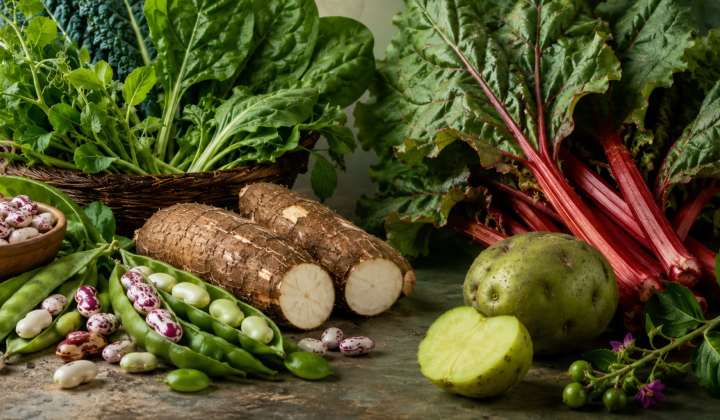
According to НВ — Техно: This article explores how humans historically domesticated plants and developed methods to neutralize natural toxins. A key part of this journey involved recognizing which plants were dangerous and figuring out how to make them safe to eat. Common foods like potatoes, rhubarb, beans, and fava beans all contain toxic compounds that can harm human health-yet with proper preparation, they become staples in kitchens worldwide.
Green patches on potatoes signal a buildup of glycoalkaloids, which in large doses can cause vomiting, fever, and diarrhea. For this reason, it's best to avoid eating potatoes with such discoloration. Rhubarb leaves contain oxalates that can damage the kidneys if consumed in excess. In South America, indigenous peoples domesticated cassava, whose roots and leaves contain cyanide-a stark reminder of the need for careful handling when eating certain plants.
- Raw kidney beans contain a toxin called phytohemagglutinin.
- Fava beans contain vicine and convicine. In people with a deficiency of the G6PD enzyme, eating fava beans can trigger favism-a condition where red blood cells break down, potentially leading to severe outcomes, including death.
However, biologists have developed new varieties of fava beans with lower vicine content, making them safer to consume.
To neutralize natural toxins, Indigenous peoples in northern Australia used techniques like soaking cycad seeds in running water, grinding them, and baking. Fermenting soybeans with microbes is also an effective way to break down harmful phytates and trypsin inhibitors, improving the safety of this crop.
Why Understanding Toxic Plants Matters
Ultimately, the history of plant domestication is not just about human interaction with nature-it also highlights the critical importance of knowing which plants are toxic and how to neutralize them. Studying these methods helps reduce health risks and opens up new opportunities for safely using natural resources.
Knowledge of poisonous plants and safe consumption techniques is highly relevant to food safety and agriculture today. As global food challenges become more pressing, research in this area can drive the development of new technologies and plant varieties that boost food security. Understanding historical processing and detoxification methods may also inspire fresh approaches to farming and nutrition.
As we delve into the fascinating ways ancient peoples learned to make toxic plants safe for consumption, it's essential to recognize the ongoing relationship between plants and their ecosystems. For instance, recent studies reveal how certain beans have developed unique strategies to combat pests, such as calling on wasps for assistance against caterpillars. Understanding these interactions not only informs our knowledge of plant safety but also highlights the intricate balance within nature. To explore this captivating aspect of plant defense mechanisms, check out how beans enlist wasps to fend off caterpillars.

Read also