Belarus Leader Mobilizes Officers and Deploys 'Oreshnik' Missile: Ex-Ambassador Warns of Growing Threat to Ukraine

Military Buildup in Belarus Raises Alarm for Ukraine
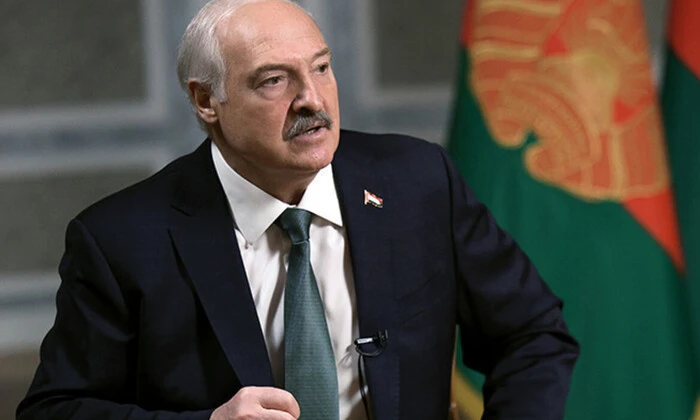
According to Главком: Ihor Kyzym, a former Ukrainian ambassador with special assignments for Belarus, argues that Belarusian President Alexander Lukashenko’s recent aggressive rhetoric is primarily aimed at consolidating his domestic grip on power. Since 2014, Lukashenko has viewed Ukraine as a challenge to his authority, steadily constructing military infrastructure near the shared border. This buildup was later leveraged by Russian forces during their 2022 invasion of Ukraine.
Lukashenko continues to focus on strengthening his armed forces, drawing lessons from the war in Ukraine. The military training system he has developed in Belarus has been in place for the last three decades. Currently, there is active construction of roads and artillery positions close to the Ukrainian frontier. Ukrainian President Volodymyr Zelenskyy has reported increased Belarusian military activity in this zone, sparking serious concerns.
Mobilization Drives and Lukashenko’s Threats
On April 17, Lukashenko signed a decree calling up reserve officers for military service. This mobilization targets reserve officers who never completed mandatory service but received training at civilian university military departments. Additionally, Lukashenko has threatened Ukraine and NATO countries with the use of the intermediate-range ballistic missile 'Oreshnik.' Zelenskyy has stated that such missiles could become legitimate military targets for Ukraine.
'He is afraid, and that fear compels him to take loud public actions.' - Ihor Kyzym
Kyzym emphasized that Lukashenko always prepares for external threats whenever his domestic situation becomes uncomfortable. According to the former ambassador, this strategy allows Lukashenko to keep society on edge and suppress any signs of dissent. He also stressed that any military infrastructure in Belarus poses a danger to Ukraine, as it could be used by Russian forces, just as in 2022. However, he believes that Ukraine’s response this time would be different.
Lukashenko’s statements reveal his efforts to shore up his internal political standing amid rising tensions with neighboring countries. The development of military infrastructure and the mobilization of reservists could heighten the threat to Ukraine, especially given past instances of Belarusian military resources being used in the conflict. This may prompt Ukraine to bolster its defensive measures, introducing new security challenges for the region.
As tensions escalate, it is crucial to understand the broader implications of Lukashenko's military strategies. His recent threats and mobilization efforts coincide with a warning to Ukraine and neighboring countries about potential coordinated responses with Russia, highlighting the interconnected nature of these developments.

Read also