Alkaline Mineral Water Destroys Protective Tablet Coating, Study Finds

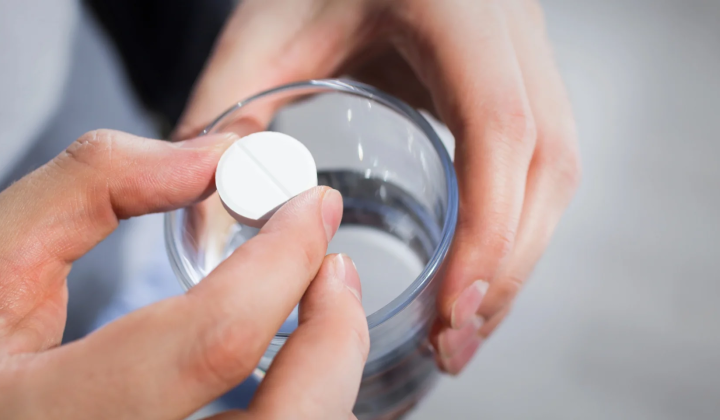
How Beverages Affect the Release of Active Ingredients from Tablets
According to НВ — Техно: July 2, 11:36 PM
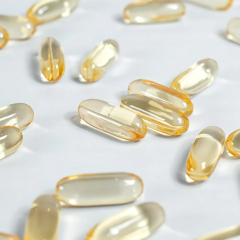
A study published in the journal Pharmaceutics examined the effects of 22 different drinks on the release of active ingredients from tablets with gastro-resistant coatings. The findings revealed that Salvus alkaline mineral water caused over 90% of the active ingredients to be released within just five minutes-a result researchers described as near-total destruction of the coating. Other alkaline mineral waters, including Peridot, Parádi, and Hunyadi, produced similar outcomes when tablets were soaked for 15 or 30 minutes.
The research analyzed 103 medications with gastro-resistant coatings. Only 8.7% of them included clear instructions on which liquid to use for swallowing. In 42 product descriptions, no specific recommendations were given, and 21 simply advised taking the medication with water without further detail. All nine medications that did offer specific guidance were found to have been tampered with.
“With one of the alkaline mineral waters, more than 90% of the drug was released after just five minutes of soaking. And the fact that the patients most likely to open capsules-elderly individuals and those with swallowing difficulties-are often the same people drinking this alkaline water turns this into a real safety issue, not just a lab curiosity.”
Study author Nikolett Kállai-Szabó
Commenting on the study, Dr. Opel Baker from Mayfield Clinic Brighton & Hove added: “It’s interesting to see that drinks people often consider healthy or harmless can still interact with medications. Many patients know that grapefruit juice affects certain drugs-but few realize that mineral waters, fruit juices, protein shakes, or herbal teas can also impact drug stability or absorption.”
The Need for Clear Guidance
These findings highlight the importance of carefully choosing which beverages to take with medications to avoid potentially dangerous interactions. The significance of this study lies in its emphasis on the need for clear recommendations about liquid intake alongside drugs, particularly for vulnerable groups like the elderly. This could help raise awareness among patients and healthcare professionals about the possible risks associated with consuming certain drinks during treatment.
As this study highlights the unexpected interactions between beverages and medications, it’s crucial to consider how other substances, such as menthol in vaping products, can similarly affect health. For instance, recent findings suggest that menthol vaping may lead to increased blood pressure and heart rate, raising further questions about the safety of combining various consumables and medications.

Read also