Lesser-known places in Lviv region — hidden gems for unusual travels

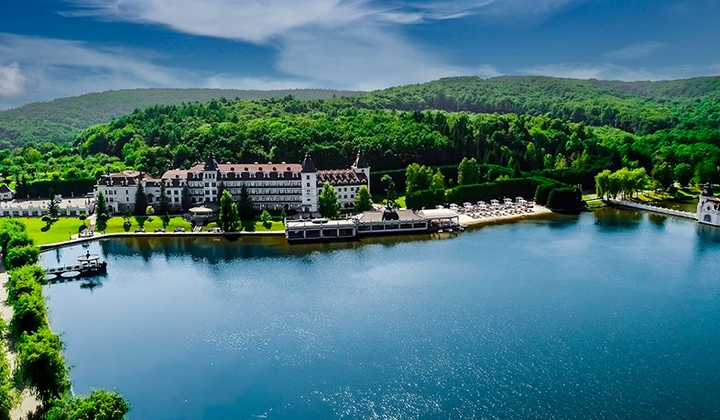
Each year, the Lviv region is gaining popularity among tourists. This region opens up anew every year.
Lviv region is not just Lviv with its enchanting architecture, atmospheric cafes, and historical streets. This region hides dozens of unique, little-known places that can give travelers true admiration and a sense of discovery. From ancient churches and castles to natural wonders, from mystical caves to picturesque mountain landscapes-Lviv region is abundant with hidden pearls that remain unnoticed by most tourists.
Lesser-known places in Lviv region
That is why traveling here is not just an excursion; it's an opportunity to see Ukraine from an entirely different, unexpected, and real perspective. For those seeking tranquility, authenticity, and incredible nature-a trip around Lviv region will be a successful choice.
Despite the fact that Lviv region is one of the most popular destinations for domestic tourism in Ukraine, most travelers only limit themselves to Lviv and, at best, go to Truskavets or the Skole Beskids. However, in the shadow of the tourist fame of the region are dozens of unique locations that deserve a separate journey. Many of them do not have loud advertising, organized tours do not take visitors there, and they are often not even marked on maps-but that is exactly what gives them charm. These places have preserved the spirit of time, remaining authentic and unspoiled by excessive human interference.
Village of Lysinichi - ancient church and picturesque views
The village of Lysinichi is located very close to Lviv but remains virtually unknown to most tourists. And that's a shame because it has something to offer: the ancient wooden church of St. Paraskeva from the 17th century, which still amazes with its architectural completeness and spiritual atmosphere. The church is situated on a hill, offering a breathtaking view of the valley and the surrounding villages.

Besides its cultural heritage, Lysinichi is famous for its natural beauty-green hills, pine forests, and fields that bloom in summer. This is an ideal place for a small hike or a bike ride, where one can retreat, enjoy the silence, and feel part of nature. The atmosphere here is calm, unhurried-entirely different from the bustling Lviv, which is just a few kilometers away.
Dovbush Rocks near the village of Bubnishche
Dovbush Rocks is one of the most famous yet still under-advertised places in Lviv region, even though geographically they border on Ivano-Frankivsk region. They are located in the Beskids, near the village of Bubnishche, amid dense forests and mountain ridges. This is an entire natural complex consisting of massive stone formations up to 20 meters high. According to legends, it was here that the famous opryshok Alex Dovbush hid, leaving behind not only a mark in history but also in stone-in the literal sense of the word.

The routes to the rocks pass through forest paths filled with the scents of pine, rustling leaves, and birdsong. For lovers of active recreation, there are opportunities for rock climbing, hiking, and photo shoots. But most importantly, it’s the atmosphere of true wilderness that is diminishing in tourist zones. Dovbush Rocks is not just a geological curiosity but a powerful place that attracts travelers in search of inspiration and tranquility.
Tustan
Tustan is another unique location situated in the village of Urych in Lviv region. These are the remains of a medieval rock fortress carved directly into the stone. Archaeological research indicates that the fortress existed as far back as the 9th century and served as a defensive and customs point on the route from the Carpathians to Galicia. Today, the site of the ancient stronghold retains traces of wooden structures, grooves and niches carved out of stone, which give an insight into the grandeur of the construction.

Aside from its historical significance, Tustan offers fantastic views: from the rocks, there is a panorama of green valleys, forests, and mountains stretching to the very horizon. It also regularly hosts festivals, medieval reenactments, and ethnographic events, adding to the place’s charm. If you want to feel the spirit of antiquity and touch history in reality-Tustan would be an ideal choice.
Village of Lopushna
Lopushna is another small village in Lviv region that may seem unremarkable at first glance. However, it houses a true architectural treasure-the wooden church of the Descent of the Holy Spirit, built in the 17th century. This sanctuary is a prime example of traditional Galician sacred architecture with a high roof, tri-apsidal composition, and decoration that has remained authentic.

Surrounded by old trees and a low stone fence, the church looks as if time has stopped. There is a silence here, interrupted only by birdsong and the rustle of the wind in the treetops. This place is not only for sightseeing but also for reflection, prayer, and inner peace. Nearby the church are fields and meadows, which create the perfect backdrop for walks and photoshoots.
Snesinnya Park
Although Snesinnya Park is located within Lviv, it remains one of the least visited natural sites in the city, especially by tourists. In fact, it is a unique nature reserve covering more than 300 hectares and includes hills, ravines, streams, meadows, and ancient forests. Rare tree species grow here, some over 300 years old, including mighty oaks and lindens.

The park also features archaeological finds-remains of an ancient settlement, old cemeteries, wooden crosses, and chapels. Due to its terrain, the park resembles the wild Carpathian slopes, so local residents often visit seeking tranquility, nature, and escape from the city's noise. A walk in Snesinnya Park is not just a pleasant pastime but a real journey into the depths of history and nature.
Kryvche
Kryvche is a village that borders on Ternopil region but historically and culturally leans towards Lviv region. It is home to one of the largest caves in Ukraine-the Crystal Cave. This karst cave has an intricate system of passages, the length of which exceeds 20 kilometers. The cave impresses with its stalactites, stalagmites, and crystalline formations on the walls that sparkle in the flashlight's beam.

In addition to its underground beauty, Kryvche is also rich in picturesque rivers flowing between the hills, forming deep valleys, rapids, and waterfalls. Locals often organize fishing trips, rafting, or just picnics by the water. This is an ideal place for those who wish to explore natural wonders without straying far from Lviv region.
Small Castle in Zhovkva
Zhovkva is a city with a rich history that was once conceived as an ideal city of the Renaissance. Here, many architectural monuments have survived, including defensive walls, churches, and a synagogue. However, one of the lesser-known but extremely interesting sites is the Small Castle, which once served as the residence of the local gentry.

The castle has a compact structure but retains the atmosphere of the Middle Ages: thick walls, vaulted cellars, and fragments of defensive structures. It is less popular than the main castle square of the city, so it often stands deserted-and that only adds to its mystery. Visiting the Small Castle in Zhovkva is like a journey through time, where every stone breathes history.
Kamenka Waterfall in the village of Kamenka
This picturesque waterfall is located in the Skole Beskids, not far from the village of Kamenka, and often remains off the mass tourist routes. Its height reaches about 7 meters, but it is not the size but the atmosphere and beauty of the area that make this place truly unique. Stony slopes, clean mountain air, birdsong, and the murmuring of water create an almost meditative space for relaxation.

The peculiarity of this waterfall is not only its view but also the opportunity to swim in the natural pool beneath it during summer. In winter, Kamenka turns into an icy sculpture, and this is another reason to see it with your own eyes. Close to the waterfall lies the famous Skole gorge, as well as unique mineral springs with hydrogen sulfide known for their healing properties.
Village of Verkhne Sinovidne
Verkhne Sinovidne is a small village located on the banks of the Stryi River, among the mountain ridges of Lviv region. This village has deep historical roots-the first mentions of it date back to the 16th century. Tourists can see an ancient wooden church of the Holy Trinity built without a single nail. It is a national architectural monument and an example of Boyko church architecture.

Among natural attractions are wooded slopes and picturesque fields, which are especially beautiful in autumn when the trees are covered with golden leaves. In the nearby forest, one can find mushrooms, berries, and also remnants of ancient ramparts, indicating the existence of fortifications here in the past. Verkhne Sinovidne will be a discovery for those who value tranquility, history, and true mountain nature.
Mineral spring area in Skhidnytsia
Skhidnytsia is not only a resort town known for its mineral waters but also a real natural laboratory, where dozens of unique springs bubble up from the ground. There are over 38 mineral springs here, each with a different chemical composition: some help with gastrointestinal diseases, others with liver problems, heart issues, or metabolism.

Unlike Truskavets, Skhidnytsia is less touristy, meaning it’s quieter and more intimate. You can walk along ecological paths, breathe the healing air of coniferous forests, and enjoy the landscapes. Many tourists choose Skhidnytsia for restorative health retreats without the city's noise. In the local museum, you can learn more about the history of the springs and research about mineral waters that has been going on since Soviet times.
Kolochava
Kolochava, while located on the border of Lviv and Transcarpathian regions, ranks among the hidden gems of Lviv region due to its uniqueness. This village is a real living museum under the open sky. In the “Old Village,” dozens of historical huts, schools, churches, forges, and even a prison have been gathered. Here, the lifestyle of the Transcarpathians, Boykos, and Lemkos has been recreated, all in a maximally authentic manner.

Kolochava is famous not only for the museum but also for its gastronomic culture-local dishes such as bograch, banosh, or kulesh are worth trying at least once. The village is easily accessible by car or bus from Skole or Stryi. Festivals of folk music, workshops on pottery and weaving are often held here. This is an ideal place for family cultural tourism.
Zolochiv Castle and its unusual dungeons
This castle is a true architectural and historical landmark. It was built in the 17th century as a defensive structure and has undergone numerous reconstructions. However, its main mystery is its dungeons that run beneath part of the castle. Many legends exist about secret passages and even treasures stored there. Tours through the dungeons allow you to immerse yourself in the atmosphere of medieval mystique.

The castle itself features interesting architecture-there is a Chinese palace, bastions, a bastion system, and luxurious gardens. Zolochiv Castle is part of the Golden Horseshoe of Lviv region, but many tourists bypass it in favor of Pidhirtsi or Olesko castles. Nevertheless, this castle deserves special attention for its atmosphere, sparsity of visitors, and mysticism.
Limanets Park
Limanets Park is located in the southern part of Lviv region, near the village of Myslyvka. It is an unofficial recreational area on the banks of one of the cleanest rivers in Ukraine-the Limnytsia River. The park's territory encompasses mountain slopes, meadows, forest areas, and the riverbed, creating excellent conditions for hiking, biking, or just relaxing in nature.

The water in Limnytsia is so clean that trout live in it, and the banks of the river are ideal for camping or picnicking. There are few tourists here, so this place is often chosen by those seeking solitude. Limanets Park is perfect for a weekend with a tent, fishing, or stargazing without light noise. The park can be reached by car from Doly, or through mountain passes.

Read also