Maslenitsa 2026: dates, folk customs and what not to do during Cheese Week

Celebration dates in 2026
According to Главком: In 2026, Maslenitsa week, also known as Cheese week, Kolodiy, Syropus or Babsky week, falls from February 16 to 22. This ancient Slavic celebration considers dumplings with cottage cheese under sour cream as the main dish in Ukraine. The date of the holiday is movable and is calculated each year based on Easter, preceding the beginning of Great Lent.
Rituals and history of the holiday
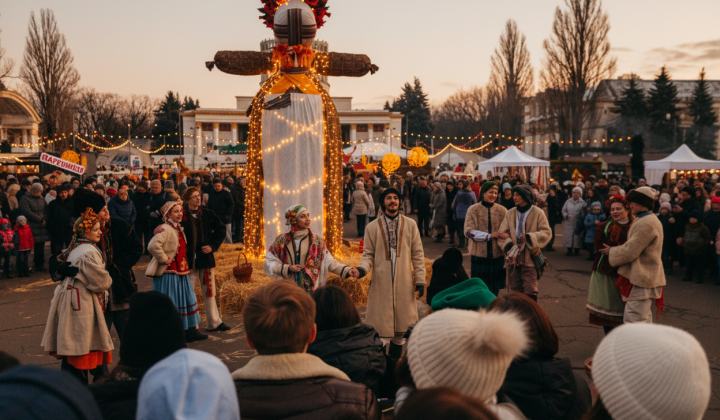
Maslenitsa represents a peculiar intertwining of pagan customs of bidding farewell to winter and welcoming spring with the Orthodox church calendar. Interestingly, during Soviet times, in the 1960s, Ukrainian traditions of celebration were under prohibition for a long time, and only the Russian version was officially permitted. However, later on, folk rituals began to be actively revived. Throughout this week, meat is not consumed.
Each day of Maslenitsa has its special name and meaning:
- Monday - Zustrich (Meeting)
- Tuesday - Zahryvannya (Flirting)
- Wednesday - Lasunka (Delicacy)
- Thursday - Rozhulay (Dispersal)
- Friday - Teschini vechorky (Mother-in-law's evenings)
- Saturday - Posidky zovitsy (Sister-in-law's gatherings)
- Sunday - Proschena nedilya (Forgiven Sunday)
There are a number of prohibitions: one should not do heavy housework during the first three days, stay alone, refuse hospitality, and, of course, overeat.
The holiday is associated with many rituals, for instance, "cheplennya kolodky" for a bachelor who has not married for a year, where Kolodiy symbolizes winter. Folk omens of Maslenitsa reflect the connection with nature and hopes for the future:
- Fluffy and rosy pancakes promise a happy year;
- Stinginess in treats during this week threatens ruin;
- The first pancake is traditionally commemorative;
- The more pancakes you make, the more sunny days there will be;
- An unexpected guest brings happiness to the home.
As the Ukrainian saying goes: 'Zachekayte varenyky, priyde na vas Masnitsya'.
Thus, Maslenitsa remains a profound cultural phenomenon passed down through generations. This holiday is filled with a special mood, delicious food, and the joy of communication with loved ones. For the Russian-speaking audience, it is essential to understand that Maslenitsa is a common Slavic holiday with regional characteristics in traditions and names.
With deep roots in folk culture, Maslenitsa serves as a symbol of community and continuity of traditions. It signifies not only the change of seasons but also reminds us of the value of family ties. In the modern world, where many customs are fading, such celebrations play a key role in preserving unique cultural heritage and identity.

Read also