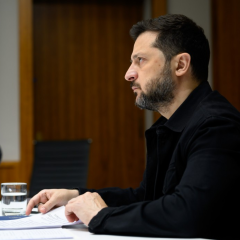
Russian Authorities Detain Rights Activist Podrabinek Amid Nationwide Internet Freedom Protests

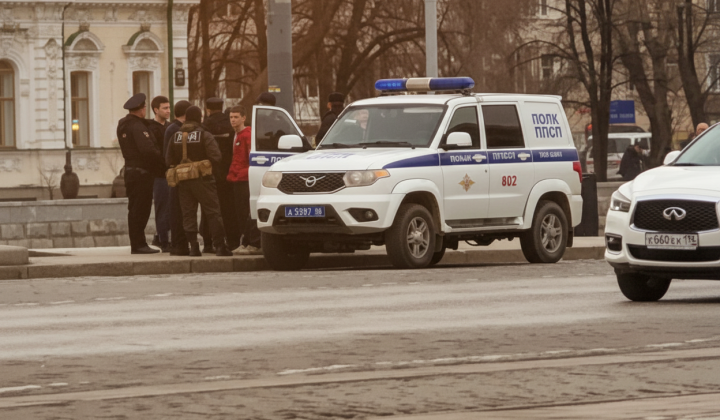
Nationwide Demonstrations for Internet Freedom
According to Главком: On March 29, 2026, protests demanding internet freedom took place across Russia, leading to numerous detentions. The unsanctioned rallies occurred in most major cities, including Moscow, where police detained several individuals on Bolotnaya Square. Among those held was prominent human rights defender, writer, and publicist Alexander Podrabinek. Two young men were also detained in Moscow, while a female protester was taken to a police van but later released.
The protests were organized by the 'Red Swan' movement, which declared March 29 a day of action against internet blockades. Demonstrators specifically opposed Russia's ban on the Telegram app, as well as restrictive 'white lists' and other online controls. Authorities rejected at least 25 applications to hold assemblies, with several organizers receiving 15-day arrests. In Moscow alone, up to 12 people were detained, including one individual for holding a 'No to War' sign. At least two of those detained were minors under 18 years old.
Government Restrictions and Response
Authorities imposed significant restrictions in other regions. In Yekaterinburg, police cordoned off 1905 Square where a rally was planned, while in Murmansk, mobile signals were reportedly jammed and mass document checks were conducted. The Moscow city government had refused to authorize the protest, prompting demonstrators to voice their dissent directly to security forces. One participant addressed police, stating:
“Dear OMON and police officers, we need your protection.”
Another protester added: “They said if they are ordered to start arresting people, they will arrest us too.”
These protests highlight the ongoing tension between the Russian state and digital rights activists, a conflict that has intensified since the initial blocking of Telegram in 2018. Simultaneously, Mikhail Oseyevsky, head of Rostelecom, made comments about social networks, claiming 'WhatsApp is dead, Telegram will die in the coming days, MAX is growing, everything is fine.' However, according to Ionov, there is a high probability Telegram's operations in Russia could be restored if it meets specific conditions, particularly regarding extremism and channels deemed a threat to national security. This comes after the most significant disruption to Telegram's service in Russia in the past month, a topic widely discussed among protesters.
The March 29, 2026, demonstrations brought heightened attention to restrictions on free speech and information access in Russia. Occurring against a backdrop of increasing pressure on rights defenders and activists, the protests marked a significant moment in the struggle against state-imposed digital controls. They focused public debate on the issue of internet censorship, which continues to profoundly impact civic life and the political climate within the country.
The recent protests in Russia have not only spotlighted the struggle for internet freedom but also coincide with a broader crisis affecting mobile internet access across the nation. As many citizens have taken to the streets to voice their dissent, widespread outages are disrupting daily life and business operations. For a deeper understanding of how these connectivity issues are impacting the populace, read more about the mobile internet challenges in Russia.

Read also