Ambulance Crew Refuses Wounded Kyiv Resident Due to Air Raid Alert: Health Ministry to Deploy Special Response Teams

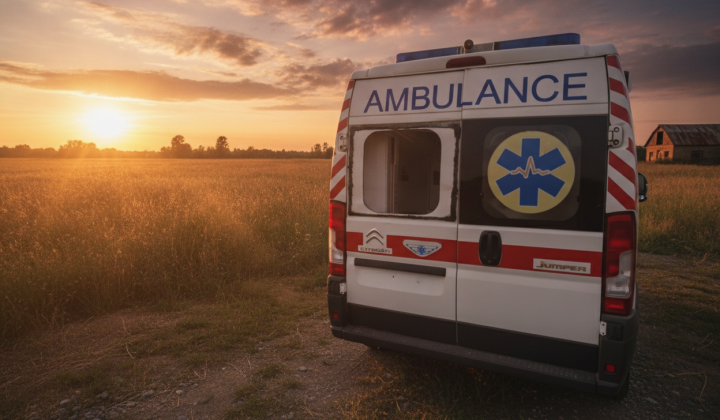
The Case of Yurii Tereshchuk and the Failures in Emergency Medical Services
According to Главком: A major controversy has erupted over the operation of Kyiv’s emergency medical services following an incident involving local resident Yurii Tereshchuk. During a massive missile strike, a fragment from a Russian shell shattered a window and struck him in the abdomen, causing severe injuries. When he called emergency number 103, the dispatcher denied assistance, stating: 'Wait until the air raid alert is over!'. Tereshchuk also contacted the private Dobrobut clinic, which logged his call but warned him of the risks involved.
He ultimately received initial first aid from a state ambulance that arrived first, after which a private ambulance transported him to the hospital. Notably, Tereshchuk is a former healthcare worker, and his injury was classified as an emergency. The Kyiv Emergency Medical Service has stated that an air raid alert does not justify refusing to dispatch a crew. However, a conflict persists between the professional duty of medical staff and their right to protect their own lives.
Protective Gear for Medics and New Initiatives
In response to such challenges, ambulance teams in the capital are now nearly 100% equipped with helmets and bulletproof vests. In frontline regions, authorities are implementing policies to provide medics with armored ambulances, though the number of such vehicles remains insufficient. The Center for Emergency Medical Care has announced the formation of specialized disaster medicine units, which will be officially granted a status equivalent to that of the State Emergency Service (SES) rescue teams. These elite medical squads will primarily be staffed by experienced former military paramedics, and their salaries will be significantly higher than those of regular ambulance doctors.
To illustrate the dangers medics face: on June 24, in the Kharkiv region, an ambulance came under fire while responding to a call for a 63-year-old resident of the Zmiiv district. Paramedic Daniel Dziuba sustained shrapnel wounds to his lower limbs. Despite his injuries, he completed the call, provided care to the patient, then examined his own wounds and drove himself to a medical facility. This case underscores the risks frontline medical workers encounter and the urgent need to reassess safety protocols.
The incident involving Yurii Tereshchuk has drawn attention to critical flaws in the emergency medical system, particularly amid an active armed conflict. Ambiguity in the rules governing ambulance dispatch during air raids endangers the lives of those requiring urgent care. The creation of specialized teams and efforts to improve medical equipment and logistics represent vital steps toward enhancing both the safety of healthcare workers and the effectiveness of emergency response. These changes could significantly reshape the future of emergency medical services in the country.

Read also