Metal Particles from Joint Implants Found in the Brain and Linked to Alzheimer’s-Related Changes

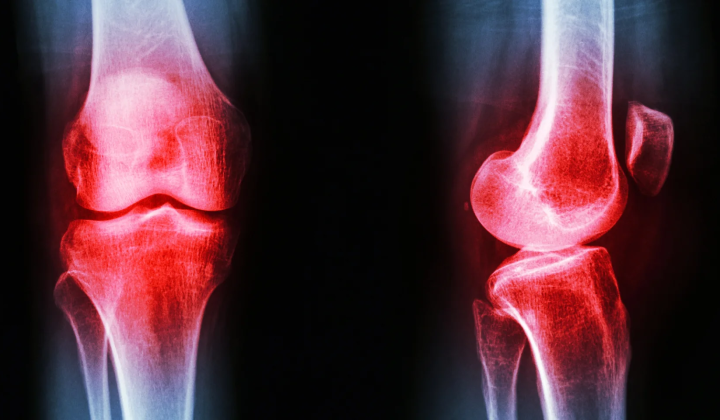
Cobalt and Titanium from Artificial Joints Can Accumulate in the Brain
According to НВ — Техно: A study carried out at Rush University Medical Center in the United States uncovered traces of cobalt and titanium particles in the brains of individuals with artificial joint implants. The strongest connection was observed between hip replacements and elevated cobalt levels. While higher cobalt concentrations correlated with brain changes typical of Alzheimer’s disease, no direct link to cognitive decline was established.
The research examined brain tissue from 701 deceased individuals, including 229 who had undergone total joint replacement surgery. Cobalt and titanium levels were measured across four brain regions. Those with hip implants showed an 8.9% increase in cobalt concentration compared to those without implants. Moreover, increased cobalt was associated with a greater presence of Alzheimer’s-related pathological changes in the lower temporal cortex.
Titanium levels were also elevated in participants with joint replacements, and higher titanium concentrations corresponded with poorer performance on cognitive assessments. The findings suggest that metal particles can cross the blood-brain barrier, potentially entering the brain through mechanisms such as:
- chronic inflammation,
- age-related changes,
- transport by immune cells.
Importantly, having an artificial joint was not linked to a higher overall risk of Alzheimer’s pathology, and the study does not prove that metal particles cause cognitive impairment or dementia.
The Need for Further Investigation
Joint replacement surgeries are well-known for relieving pain, restoring mobility, and improving social engagement. This study highlights the importance of continuing research to understand how metal particles penetrate the brain and their potential effects. The analysis was conducted post-mortem, underscoring the necessity for additional studies in living patients. Published in Science Alert, microscopic analysis confirmed that some metal particles likely originated from the implants.
This research raises important questions about the safety of metal joint implants currently used worldwide.
While joint replacements provide significant benefits including pain relief and enhanced quality of life, detecting metal particles in the brain may prompt a reevaluation of medical protocols and further scientific inquiry. Gaining insight into the pathways these particles use to reach the brain and their possible health implications is a crucial step toward safeguarding patients in the future.
Understanding the mechanisms behind how metal particles may influence brain health is crucial, especially in light of findings that peripheral immune cells can initiate inflammation and damage in Alzheimer's disease. This connection emphasizes the need for further exploration of both environmental and biological factors that contribute to cognitive decline.

Read also