How Asteroid 2024 YL3 and the Parker Solar Probe Set New Records for Close Solar Approaches

Unprecedented Approaches: The Closest Visitors to the Sun
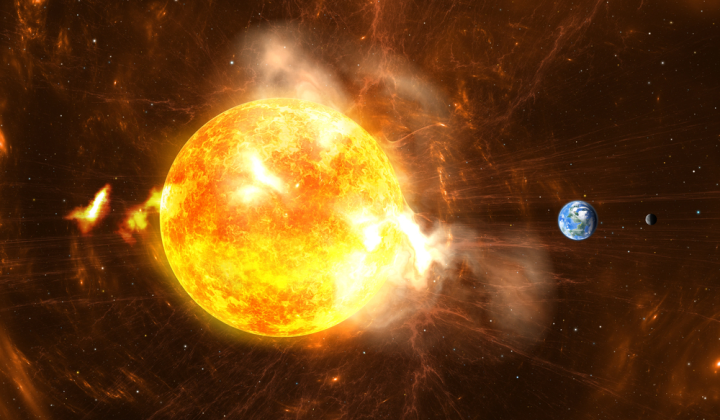
According to Radiotrek — Світ: Recent observations have documented extraordinary close encounters between various space objects and the Sun, including asteroids, spacecraft, and comets. Mercury remains the nearest planet to the Sun, orbiting at about 47 million kilometers during its closest approach (perihelion). Among asteroids, 2024 YL3 stands out as a record holder, measuring roughly 141 meters across and coming within approximately 10.3 million kilometers of the Sun at its closest.
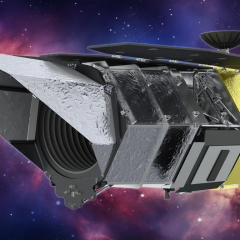
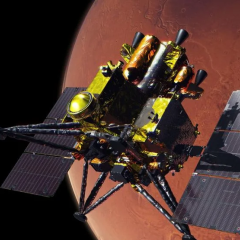
Astronomers have theorized the existence of "vulcanoids," hypothetical asteroids orbiting between Mercury and the Sun, although none have yet been detected. Another key player in solar proximity records is NASA's Parker Solar Probe, which has ventured as close as 7.3 million kilometers from the Sun's center. This mission provides invaluable insight into the solar atmosphere and helps us understand how solar activity affects nearby space objects.
Comets and Their Intimate Encounters with the Sun
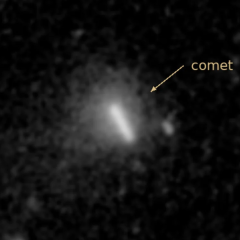
Regarding comets, the Great Southern Comet of 1887 approached the Sun as near as 718,000 kilometers from its center, just about 27,000 kilometers above the solar surface. Some comets, often called "sungrazers," plunge into the Sun and do not survive the intense heat. The 1887 comet holds the record for surviving such an extremely close passage. These events highlight the significance of studying how celestial bodies interact with our star.
Exploring objects that approach the Sun closely opens new avenues in astronomy and deepens our understanding of the Solar System’s formation and evolution. Tracking their paths and interactions with the solar atmosphere offers vital data for future space missions and observations. Moreover, monitoring these near-Sun encounters is crucial, as such objects can potentially influence Earth and other planets.
As we delve deeper into the dynamics of our solar system, understanding the extreme conditions at its edge becomes increasingly important. Recent findings from the Voyager probes reveal unexpectedly high temperatures, providing crucial context for how solar phenomena impact both distant and nearby celestial bodies. This knowledge complements our exploration of near-Sun encounters, further enriching our comprehension of solar interactions.

Read also