U.S. Justice Department Launches $1.8 Billion Fund to Compensate Victims of Political Persecution

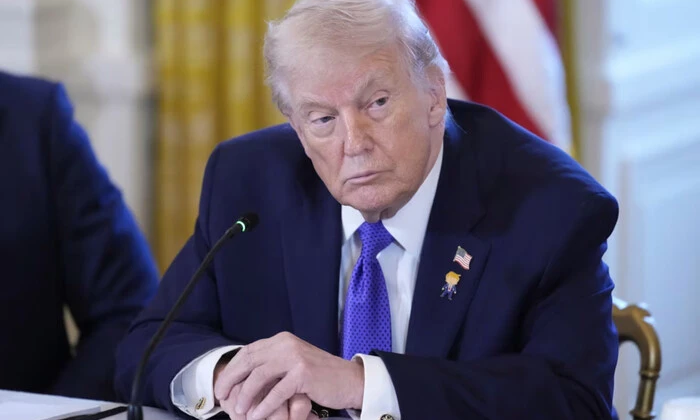
Creation of the Counterproliferation Fund
According to Главком: Acting Attorney General Todd Blanche announced the establishment of the Counterproliferation Fund, a $1.8 billion initiative by the U.S. Department of Justice. Its stated purpose is to provide financial compensation to individuals who have suffered from politically or ideologically motivated legal proceedings. This fund stems from an out-of-court settlement of Donald Trump's personal lawsuit against the Internal Revenue Service (IRS). For context, such settlements are rare in cases involving a sitting president and a federal agency.
The lawsuit concerned the leak of Trump's tax returns during his first presidential term. Private attorneys representing Trump reached an agreement with government lawyers under Todd Blanche, who previously served as Trump's personal defense attorney. Federal Judge Kathleen Williams in Miami confirmed that the process lacked genuine adversarial contestation. As part of the settlement, Trump and his family received full immunity from ongoing tax audits, which experts estimate saved the president from potential financial losses exceeding $100 million.
Funding and Allocation
Payments will be financed through the Judgment Fund, established by Congress in 1956. A five-member board appointed by Todd Blanche will oversee the distribution of funds. Trump retains the authority to dismiss these board members at any time. The fund's operations are scheduled to conclude on December 15, 2028. Known allocations include:
- former National Security Advisor Michael Flynn receiving $1.25 million,
- the family of Ashli Babbitt, who was shot during the Capitol riot, receiving nearly $5 million.
The administration has pardoned over 1,500 participants in the January 6th unrest and brought charges against former FBI Director James Comey. However, the fund's creation has drawn criticism, notably from Senate Majority Leader John Thune. Additionally, Treasury Department Chief Counsel Brian Morrisssey resigned just hours after the fund's announcement.
The establishment of the Counterproliferation Fund reflects the U.S. government's effort to find ways to support individuals harmed by politically motivated actions and prosecutions. At the same time, this move may be viewed as controversial.
Given the criticism surrounding this initiative, the fund's future developments and its impact on the country's political landscape remain uncertain.
The establishment of the Counterproliferation Fund raises significant questions about the implications of the recent decision to permanently halt IRS audits of Trump's tax returns. This move not only affects Trump's financial landscape but also reflects broader trends in how political figures navigate legal challenges. Understanding the context of these developments is crucial for grasping the potential impacts on future political accountability.

Read also