One Month Into U.S. Military Action in Iran: Tactical Gains, Strategic Ambiguity

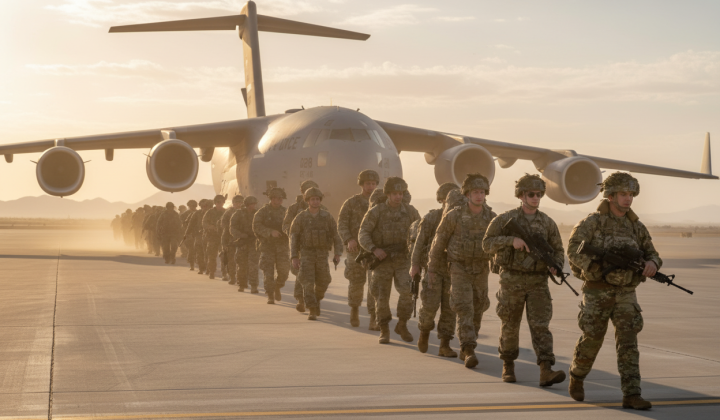
The U.S. Military Campaign in Iran
According to ХВИЛЯ: After a month of U.S. military operations in Iran, tactical successes are being reported, but the campaign faces significant criticism for lacking a clear strategic objective or defined criteria for victory. This operation is unfolding in a region of long-standing geopolitical tension. President Donald Trump's rhetoric on the conflict has been inconsistent, further highlighting the uncertain nature of the situation.
According to sources, U.S. military casualties have remained low. However, significant damage has been inflicted on Iranian infrastructure, including the destruction of the Iranian naval fleet. This has resulted in a substantial decrease in missile and drone attacks on U.S. and allied bases in the Persian Gulf. As one military expert notes,
“the service members I’ve spoken with in recent days are nearly unanimous in agreeing that, from a military standpoint, this operation has been successful so far.”
Strategic Questions and Consequences
Despite these tactical achievements, major questions about strategic victory persist. As participants in the discussion point out,
“the big question is where the strategic wins are here, and how to even begin measuring them when there is such a gray area about what the optimal strategic outcomes were supposed to be from the start.”
This raises concerns, as history shows that American forces can achieve early successes only to encounter serious problems later.
Amid these developments, the White House continues to face questions about the next steps for the U.S. in the region. The experience of previous military campaigns, such as:
- the rapid fall of the Taliban government in 2001
- the swift march on Baghdad in 2003
leads experts to wonder if the past is repeating itself. The situation in Iran remains tense, and future developments require careful observation.
Given the uncertainty and instability in U.S. military strategy toward Iran, attention must be paid to the potential consequences for regional security. Experts emphasize that despite short-term gains, the strategy must be clearly defined to avoid repeating historical mistakes. Future U.S. moves could significantly impact relations with Iran and the broader security context of the Persian Gulf, making close monitoring of events critically important for the international community.
As the situation continues to evolve, the U.S. is reportedly considering a ground offensive on strategic locations, which could significantly alter the dynamics of the ongoing operation. With Tehran mobilizing over a million fighters, the implications of such a move raise critical questions about the potential for escalation and the effectiveness of military strategy in the region. For a deeper understanding of these developments, see how the U.S. weighs its options amidst rising tensions in the context of Iranian mobilization.

Read also