How Jumping Genes Fueled the Ants’ Evolutionary Boom After the Dinosaur Extinction

Survivors of the Dinosaur Era
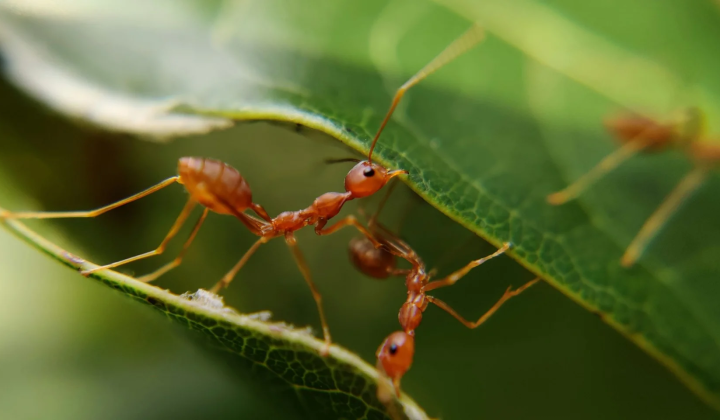
According to НВ — Техно: Scientists from the University of Münster in Germany have uncovered that mobile DNA segments, known as jumping genes, played a crucial role in the rapid diversification of ants following the mass extinction of dinosaurs around 66 million years ago. This breakthrough highlights how ants became the most abundant family of social insects, with over 15,000 species thriving today. Increased activity of these mobile genetic elements was detected in the ancestors of the largest ant groups at the dawn of the Paleogene period, directly correlating with their swift evolutionary expansion.
Insights from the Study
An international research team, led by experts at Münster University, analyzed the genomes of 163 ant species representing 12 out of the 16 ant subfamilies spanning 100 million years. Their findings reveal that these mobile DNA elements can move and multiply within genomes, likely serving as a driving force behind ants’ evolutionary success. Similar bursts of mobile element activity have also been observed in other animal groups such as primates and bats.
Published in the journal Science Advances, the study also links the expansion of gene families related to chemical communication-especially olfactory receptors-to the activity of these mobile elements. This genetic development is key because ants rely heavily on scent to recognize colony members. As one of the study’s authors, Lucas Schrader, explained:
“The asteroid impact had dramatic environmental consequences. We have now identified a genomic mechanism that connects these ecological shocks to the rapid diversification of ants that followed.”
These findings shed new light on how ants evolved and adapted to ecosystems after the catastrophic extinction event 66 million years ago.
The research holds significant implications beyond ants, offering valuable clues about how various species survived and adapted through mass extinction events. Understanding these evolutionary mechanisms provides scientists with a framework to predict how living organisms might respond to today’s rapidly changing environments. Moreover, studying these jumping genes could become an essential tool in genetic research aimed at preserving biodiversity amid ongoing ecological challenges.
Understanding the genetic mechanisms behind rapid evolutionary changes is crucial not only for ants but also for other species, including humans. Recent research has explored how specific genetic shifts influenced the human skeleton and contributed to joint disorders. Discover more about these fascinating connections in the article on genetic shifts and their implications.

Read also