IOC Disqualifies Ukrainian Skeleton Athlete Over Memorial Helmet, Drawing Condemnation from Klitschko

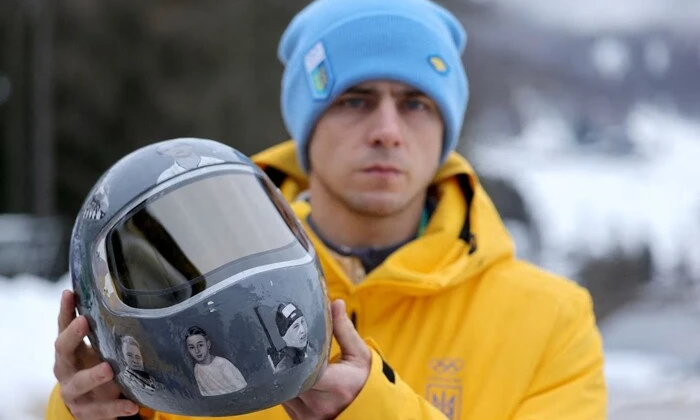
Vladyslav Heraskevych's Disqualification
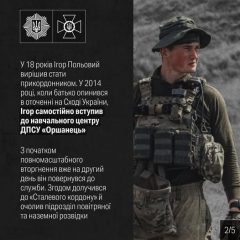
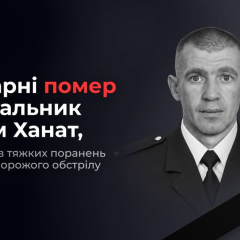
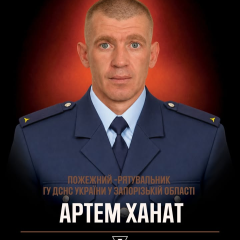
According to Главком: The International Olympic Committee (IOC) has barred Ukrainian skeleton athlete Vladyslav Heraskevych from competing just before his event was set to begin at the Olympic Games. This action was taken after the athlete refused an IOC demand to change his helmet, which displayed images of athletes killed by Russian forces. Heraskevych's rejection of the order to alter his equipment led directly to his disqualification.
The IOC's decision has provoked outrage among Ukrainian athletes and their supporters. Former world heavyweight boxing champion Volodymyr Klitschko, who has been vocal on the issue, stated:
"For Russian and Belarusian athletes, participation is more important than victory, while for Ukrainian athletes who have died, even a memorial tribute is forbidden." - Volodymyr Klitschko
Klitschko further expressed his profound disappointment, noting that when he thinks of his own gold medal, he feels shame rather than pride. He called for an end to the killings and criticized the IOC's approach, which he argues prioritizes spectacle over human lives. This incident highlights the intense political pressures surrounding the participation of Russian and Belarusian athletes in international sport since the 2022 invasion of Ukraine.
Sports Community Reaction
Vladyslav Heraskevych's father, Mykhailo Heraskevych, who is also president of the All-Ukrainian Bobsleigh and Skeleton Federation, has strongly condemned the disqualification. He has pledged to challenge the ruling at the Court of Arbitration for Sport (CAS). The situation has sparked widespread reaction within the sports community and among activists supporting Ukrainian athletes during this difficult period.
The disqualification of Vladyslav Heraskevych underscores the complex and tense predicament facing Ukrainian athletes during wartime. They are confronting challenges that extend far beyond ordinary athletic competition, as issues of honor and the memory of the fallen are at stake. The response from the sporting world and activists indicates that this matter evokes deep emotions and significant moral dilemmas regarding participation in international competitions during an ongoing conflict.

Read also