IOC Bans Ukrainian's Tribute Helmet While Approving 14 Russian Athletes

Olympic Games Helmet Ban
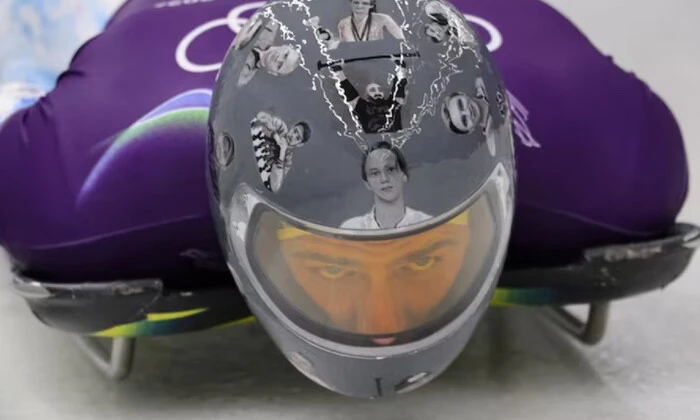
According to Главком: The International Olympic Committee (IOC) has prohibited Ukrainian skeleton athlete Vladyslav Heraskevych from wearing a helmet featuring portraits of fallen Ukrainian athletes at the Olympic Games. This decision has drawn condemnation not only from the athlete himself but also from Ukrainian President Volodymyr Zelenskyy, who has lodged a formal protest. This ruling comes as the IOC has permitted 14 athletes from Russia to compete, despite none of them having publicly condemned Russia's ongoing war of aggression against Ukraine. The decision highlights the complex and often controversial intersection of international sport and geopolitics.
Portraits of the Fallen
Heraskevych's helmet was designed to honor Ukrainian athletes who have been killed as a result of the Russian invasion. Those memorialized include:
- Figure skater Dmytro Sharpar, who died near Bakhmut,
- 19-year-old biathlete Yevhen Malyshev, killed near Kharkiv.
Heraskevych prepared this helmet specifically for the 2026 Olympic Games. The athlete has also reportedly faced threats from the IOC regarding potential protests against Russian aggression during the Games.
"This decision is heartbreaking. The IOC is betraying the athletes who will never get to compete at the Olympic Games again" - Dominik Hašek, Czech ice hockey goaltender.
President Zelenskyy, for his part, emphasized the critical importance of fairness in sport and stated that the truth about modern Russia cannot be ignored. He expressed the view that sport should serve peaceful purposes, not become a tool to support aggression. These events underscore the difficult position of international sports bodies during times of global conflict.
This situation highlights the tension between international sporting organizations and the political realities that influence competition. The ban on Heraskevych's tribute helmet raises profound questions about ethical standards in sport and its role in the context of military conflicts. It may also influence future IOC decisions regarding athlete participation from nations engaged in acts of aggression.

Read also