Munich Elects a New Mayor: 34-Year-Old Green Party Physicist Ousts Social Democrat After 12 Years

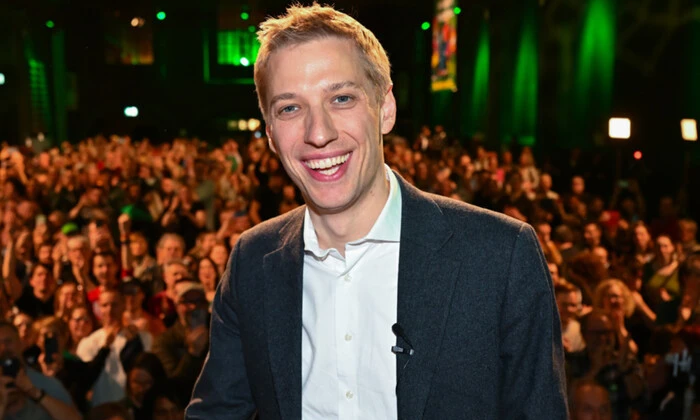
Dominik Krause Wins Munich's Municipal Election
According to Главком: In a significant political shift, Munich has elected Green Party candidate Dominik Krause as its new mayor, ending the 12-year tenure of Social Democrat Dieter Reiter. The 34-year-old physicist secured 56.4% of the vote in the Bavarian city's runoff election this past Sunday. Reiter conceded defeat shortly after the preliminary results were announced. This marks a generational and ideological change for Germany's third-largest city.
A physicist by training, Krause has served on Munich's city council for the past twelve years. His predecessor, Dieter Reiter, saw his position weaken following a scandal involving undisclosed payments from the Bayern Munich football club for his role on an advisory board, which lacked proper city council approval.
Munich City Council Election Results
Alongside the mayoral race, elections for Munich's city council were also held. The Greens emerged as the strongest party, winning 26.5% of the vote. The Christian Social Union (CSU) came in second with 24.9%, while the Social Democrats (SPD) received 19.2%. Several parties gained ground in the council, including:
- the right-wing populist Alternative for Germany (AfD)
- the pan-European party VOLT
- the left-wing party Die Linke
The Free Democratic Party (FDP) retained its representation on the council.
The election outcome signals a major realignment in Munich's political landscape, highlighting the growing influence of the Greens and a decline for the Social Democrats. This result reflects broader national trends in Germany, where climate policy and sustainability are increasingly decisive for voters. Krause's victory suggests a public desire for new approaches to urban governance in the face of contemporary challenges.
The recent election in Munich is not the only surprising political outcome in Bavaria. In a remarkable twist, a local village has elected a mayor who did not even run for office, as residents chose to write in his name on the ballot. This unconventional approach highlights the evolving dynamics of local governance in the region and reflects citizens' desires for representation. To learn more about this unique election and its implications, read about how villagers took matters into their own hands in this recent story.

Read also