A 'Monster' Fungus That Parasitizes Zombie Fungi Has Been Discovered on Borneo

New Hyperparasitic Fungus Species Found in Malaysia
According to НВ — Техно: A newly discovered hyperparasitic fungus, Pleurocordyceps cornusynnemata, has been identified in Malaysia's Borneo rainforest. It preys on a zombie fungus that infects ants, marking a rare case of a fungus feeding on another fungus. The discovery was made by researchers from the Institute for Tropical Biology and Conservation at Universiti Malaysia Sabah during fieldwork in the Danum Valley, located in southern Sabah. The specimen was collected from a dead ant already infected by the Ophiocordyceps fungus, which the new species then consumed.
Why This Discovery Matters
Pleurocordyceps cornusynnemata belongs to the Pleurocordyceps genus and is the first known member of its genus to feature a distinct horn-like structure. “This is the first known representative of its genus in the world to have this very distinct horn-like structure,” said Dr. Jaya Silan Satya Silan, deputy director of the institute. She explained that the fungus acts as a specialized hyperparasite “because it effectively parasitizes the primary pathogen.”
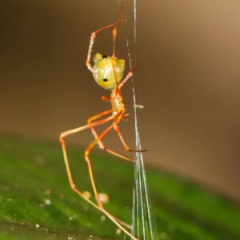
Unlike typical zombie fungi that manipulate an insect's nervous system, Pleurocordyceps cornusynnemata targets the flourishing Ophiocordyceps tissue inside the host, feeding directly on it. Scientists also discovered a new spider-killing fungus that spreads its spores through the arachnid's body.
These findings come amid the spread of two Bootanomyia dorsalis wasp species across parts of the United States, from New York to the Pacific coast. The discovery of new fungi in Malaysia highlights the critical role of tropical forests as reservoirs of biodiversity and potential sources of medicinal compounds.
The identification of this hyperparasitic fungus underscores the need for continued research in tropical forests-ecosystems that serve as hotspots for biodiversity and promising sources of new pharmaceuticals. As global climate change and resource depletion accelerate, such discoveries could prove pivotal in developing sustainable pest control strategies and novel medical treatments.

Read also