Unique Microbial Habitats and Rich Metal Deposits Found in Iron-Manganese Nodules on the Pacific Ocean Floor

Exploring Polymetallic Nodules in the Pacific Ocean
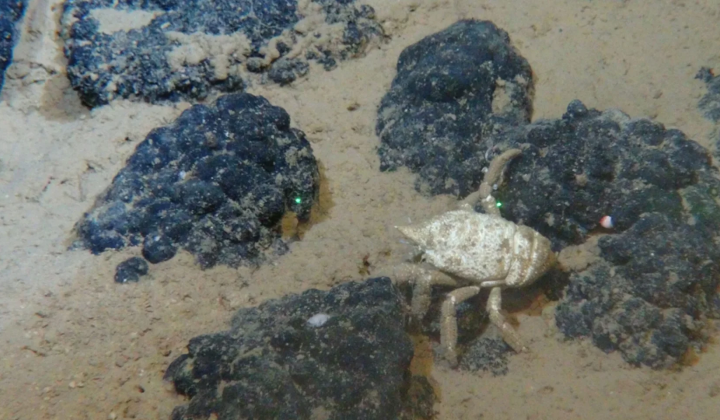
According to НВ — Техно: On November 16 at 10:01 AM, a groundbreaking study was released revealing substantial concentrations of iron-manganese polymetallic nodules located on the seabed within the Clarion-Clipperton Zone of the Pacific Ocean. These nodules are rich in valuable metals including nickel, cobalt, copper, iron, and manganese. Remarkably, they also harbor distinctive microscopic ecosystems, which differ significantly from the organisms found in the surrounding sediments. Samples collected during the 2019 expedition aboard the RV Sonne enabled researchers to analyze 244 polymetallic nodules-153 of which originated from an area under Germany’s contract with the International Seabed Authority, and 91 from the exploration zone of the Belgian company Global Sea Mineral Resources.
The Ecological Importance of These Nodules
Each nodule forms over millions of years at depths ranging between 4 and 6 kilometers. Inside these formations, scientists discovered a variety of organisms, such as:
- roundworms
- tiny crustaceans
- armored amoebas from the genus Thurammina
- polychaete worms
- kinorhynchs
- tardigrades
Additionally, microscopic fossils of diatoms, radiolarians, and marine sponges were identified. The cavities and fractures within the nodules likely provided a habitat for these organisms over millions of years.
Coral Díaz-Rescio Lorenzo noted that while scientists were previously aware that deep-sea life used the surface of nodules for attachment, the existence of complex life inside these structures had remained largely unexplored.
The research also raises concerns about the environmental impact of mining these polymetallic nodules, warning that industrial extraction could irreversibly destroy unique species and ecological communities. Sabina Gollner emphasized the need to consider the potential loss of undocumented biodiversity when developing regulations for deep-sea mining. Furthermore, the critical roles these microscopic ecosystems play in global nutrient cycles and carbon storage remain poorly understood.
The discovery of significant polymetallic nodule deposits in the Pacific underscores the urgent need for continued scientific investigation. Gaining deeper insight into these extraordinary deep-sea ecosystems is crucial for shaping sustainable approaches to ocean resource extraction. As accessible mineral reserves become scarcer, it is vital to balance economic ambitions with the preservation of marine biodiversity. These findings also open new avenues for studying the complex interactions between deep-sea organisms and their environment.
The ecological implications of deep-sea mining are becoming increasingly evident, as highlighted by a recent Chinese study on marine life disruption in the South China Sea. This research complements the findings on the unique ecosystems within iron-manganese nodules, emphasizing the urgent need for sustainable practices to protect these fragile environments from industrial activities.

Read also