Territorial Conflict Between Humans and Elephants Is Predicted to Escalate in Southern Africa

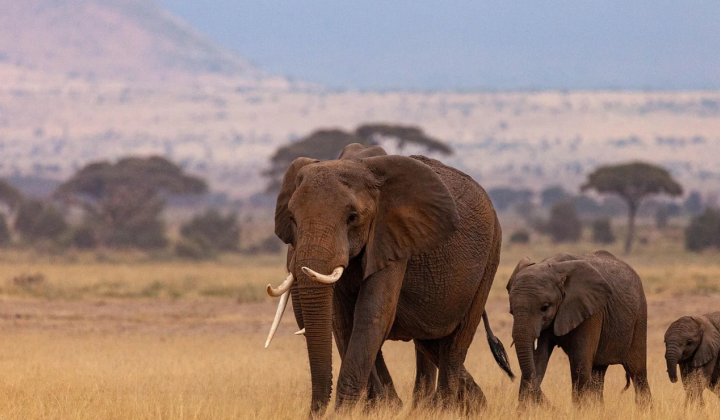
Human-Wildlife Tensions Intensify Across Southern Africa
According to НВ — Техно: July 10, 5:00 PM
Researchers from the United States and Namibia are warning that clashes between people and animals in southern Africa are likely to worsen, driven by land development, population growth, and climate change. By 2085, the area at risk for such confrontations could expand by 33% to 100%. This issue is becoming increasingly urgent as wild lands in Namibia, Botswana, Angola, and Zambia have been rapidly converted over the past two decades.
Key Drivers of the Crisis
An analysis of data from 2004 to 2020 identified three main factors fueling the crisis:
- rising human population,
- expansion of agricultural land,
- water scarcity caused by climate change.
The situation is especially critical in Namibia's Zambezi region, where the population of African savanna elephants has begun to recover after decades of poaching.
The study covered 38 community-run conservancies, home to nearly 150,000 people. In southern Africa, approximately 300,000 elephants are under protection. The findings were published in the journal PNAS Nexus, with the research led by Evan Patrick of the University of California, Santa Barbara.
“Experts are calling for action to reduce human-wildlife conflicts, warning that further expansion of high-risk zones could have serious consequences for both sides.”
These results highlight the need to adapt natural resource management and biodiversity conservation strategies in regions where humans and animals live in close proximity. Given the projected rise in conflicts, it is essential to strike a balance between the needs of local communities and the preservation of wildlife, in order to prevent escalation of violence and losses for both parties.
As the situation intensifies, it's important to consider how environmental factors, such as prolonged droughts, are influencing wildlife behavior. In particular, changes in elephant behavior due to ongoing drought in Botswana might further complicate human-elephant interactions, highlighting the urgent need for adaptive management strategies in these regions.

Read also