Prolonged Drought in Botswana Is Driving Elephants to Change Their Behavior

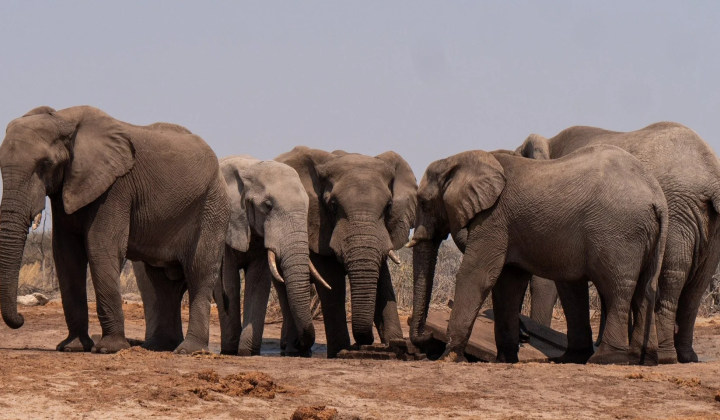
How Drought Duration Alters the Movements of African Elephants
According to НВ — Техно: Biologist Irene Bouwman from Radboud University in the Netherlands has led a study revealing how the length of drought periods affects the behavior of African elephants in Botswana. According to the findings, during short dry spells lasting up to one month, the animals move less, stay close to rivers and lakes, and have fewer encounters with humans. In contrast, when drought stretches for about a year, elephants venture farther from water sources and draw nearer to human settlements-a shift that can spark conflict.
Bouwman explained that African elephants typically use about 2,000 square kilometers of habitat per month and travel roughly 140 kilometers. Her research relied on tracker data collected from collars worn by the elephants over a 19-year period. During brief droughts, the animals remained near water bodies, but longer dry periods forced them to search for new sources of food and water, bringing them into closer proximity with people.
“But when the drought lasted a year, the elephants moved away from rivers and lakes and came closer to human settlements. After a year, rivers can dry up, forcing elephants to look for alternatives.” - Irene Bouwman
She also stressed that when an elephant wanders onto farmland in search of food, the situation becomes dangerous for both people and animals:
“Elephants take greater risks when the drought continues.” - Irene Bouwman
The researcher emphasized the importance of understanding animal behavior during drought, hoping her work will help protect wildlife from the impacts of climate change. “We have shown that the duration of a drought matters. If we see that a drought is ongoing, it may be worth taking appropriate measures, such as:
- installing fences;
- providing additional watering holes for elephants in strategic locations.
As a result, Bouwman's findings could prove critical for the conservation of African elephants in Botswana. They highlight the need to adapt natural resource management strategies in the face of climate change. Understanding how elephants behave during drought can help reduce human-wildlife conflict and preserve the population of these large mammals in their natural habitat. In an era of global climate shifts, such research is becoming increasingly vital for safeguarding biodiversity.

Read also