Core Technologies That Make Humanoid Robots Possible

Beyond Artificial Intelligence Alone
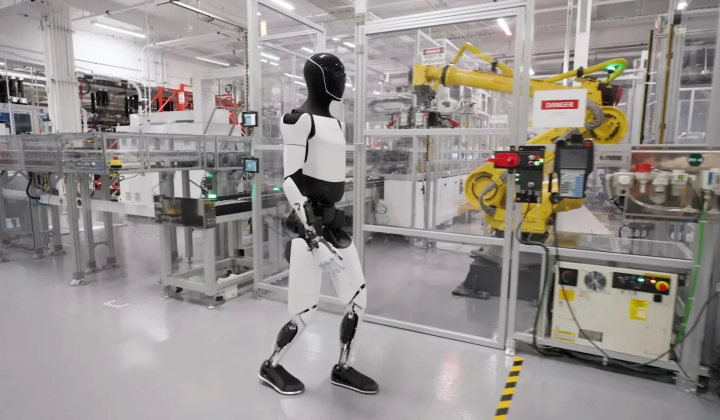
According to НВ — Техно: On August 7 at 1:00 p.m., Interesting Engineering put out a new industry guide from ROBO Global that breaks down what it really takes to build a humanoid robot. The guide describes a humanoid system as having three main parts: the brain, the body, and a power source. This kind of roadmap matters as humanoid robots move closer to commercial deployment.
What Makes Humanoid Robots Work
The guide identifies several technologies as essential for a functioning humanoid robot:
- powerful AI chips
- cameras
- sensors
- actuators
- batteries
Cameras and LiDAR sensors help build a three-dimensional view of the environment and detect obstacles, which is crucial for safe movement in spaces designed for people. Tactile sensors on robot arms can measure grip force, making tasks more efficient.
Specialized AI processors handle the data these robots collect. Rotary actuators create rotational motion in joints such as shoulders and hips, while linear actuators work on a push-and-pull basis. Compact high-torque gearboxes in the joints add extra precision.
Powering these machines remains a major challenge. A larger battery can store more energy, but it also adds weight that may hurt maneuverability. Some manufacturers are developing robots that can return to a charging station on their own or replace their battery packs. Others are working on solid-state batteries, which use solid materials instead of the liquid electrolyte found in today's cells.
According to the guide's authors, the humanoid robot market is growing quickly, with dozens of new models being developed worldwide. Because these machines are shaped around human spaces, they could work in homes, factories, warehouses, and other locations without major infrastructure changes. They have the potential to handle household chores and take on roles in production and logistics.
The advance of humanoid robots is a significant milestone in technology, as they may become essential helpers across many areas of life. With the market expanding at a fast pace, these technologies are expected to become more affordable and integrated into daily routines in the coming years, altering how routine tasks are done and improving quality of life.
As humanoid robots continue to evolve, their capabilities are expanding rapidly. For instance, the recent achievement of the Figure 03 robot, which successfully climbed a ladder without human assistance, highlights significant advancements in robotic mobility. This demonstrates the practical applications of the technologies discussed in the guide, showing how these machines can adapt to complex environments. To learn more about this remarkable feat, visit the recent milestone in robotic development.

Read also