Sesame-Sized Sea Slug Discovered Off Taiwan’s Coast

New Species of Sea Slug Identified
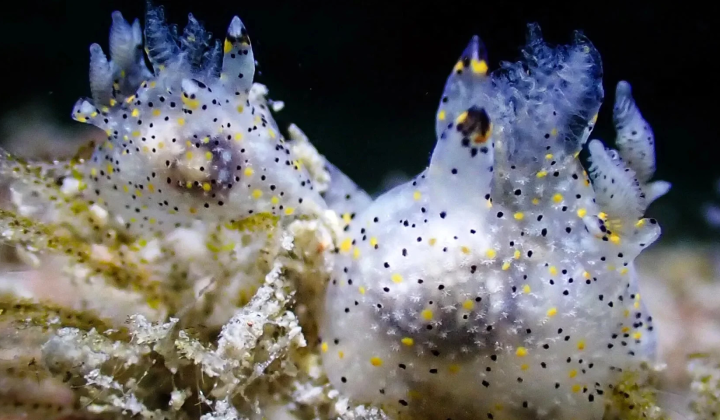
According to НВ — Техно: A scientific paper published on May 28, 2026, announced the discovery of a new sea slug species, officially named Thecacera sesama sp. nov. The specimen was found near the city of Keelung in northern Taiwan. Researchers from Taiwan’s National Ocean University, the National Museum of Natural Science, and the National Taipei University of Education collaborated on the study. The slug was first spotted in 2019, with Ho-Yen Chan-then a student-serving as the lead author of the research.
The species name Thecacera sesama was chosen because its appearance resembles a single sesame seed. Taiwanese divers have also nicknamed it the “sesame slug.” Its tiny size, comparable to a sesame seed, further underscores the uniqueness of this species. The slug lives on bryozoans, which are small aquatic invertebrates. Interestingly, the specific type of bryozoan it inhabits may also be unknown to science.
Habitat Conditions and Research Significance
Researchers note that sea temperatures along Taiwan’s northern coast can drop below 16 degrees Celsius, creating specialized living conditions for this species. Scientists have only about four months each year to conduct underwater research in the area, which adds to the challenge of studying marine life there.
This finding highlights the importance of exploring Taiwan’s marine ecosystems and reveals how much remains unknown about their biodiversity.
The identification of Thecacera sesama adds a valuable piece to the puzzle of Taiwan’s marine life, which is still poorly understood. Given the ecological conditions in which this species thrives, further study could help clarify how climate change and human activity affect marine ecosystems. It also underscores the urgent need for continued investigation of marine fauna, especially as pollution and shifting climates threaten ocean biodiversity.

Read also