12-Hour Wait Times at Ukraine-Poland Border Crossings

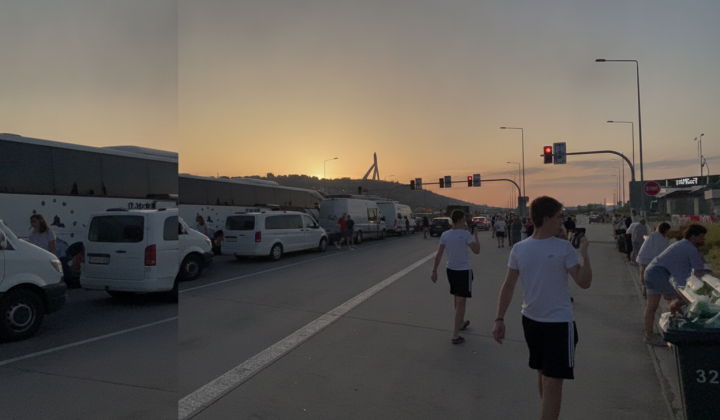
Border Congestion on the Ukraine-Poland Frontier
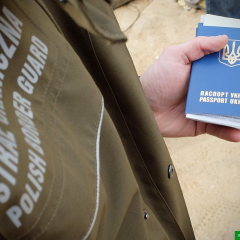
According to Главком: Travelers entering Ukraine from Poland are facing queues exceeding 12 hours. According to Andriy Demchenko, spokesperson for the State Border Guard Service, the delays stem from a surge in passenger traffic during weekends. At the Krakivets checkpoint alone, over 260 vehicles are currently waiting. As of June 27, 2026, a record 141,000 border crossings by citizens were recorded, marking the highest figure for June.
Checkpoints and Alternative Routes
Official data indicates that summer places the heaviest burden on the following checkpoints:
- Ustyluh
- Rava-Ruska
- Krakivets
- Shehyni
- Uzhhorod
- Chop (Tysa)
- Luzhanka
- Porubne
Meanwhile, these checkpoints remain less congested:
- Uhryniv
- Nyzhankovychi
- Smilnytsia
- Malyi Bereznyi
- Dzvinkove
- Kosyno
- Krasnoilsk
- Diakivtsi
- Kelmentsi
- Sokyriany
“On weekends, passenger flow increases even more compared to weekdays. Yesterday we saw the highest June border crossing figure-141,000 citizens-with a slight majority entering Ukraine.” - Andriy Demchenko
This highlights a significant summer influx of travelers, which can lead to extended wait times at the border.
Additionally, a new route for tourist buses has been opened on the Ukraine-Romania border. In Odesa Oblast, four checkpoints along the Ukraine-Moldova border have also been upgraded. Near the Reni-Giurgiulești checkpoint, a modern service area for driver rest has been built, aimed at improving conditions for travelers. These initiatives are designed to streamline border crossing procedures and enhance comfort for all road users.
The sharp rise in passenger traffic at the Ukraine-Poland border reflects a broader trend of increased domestic and international travel during the summer season. Authorities are responding to these challenges by introducing new routes and upgrading checkpoint infrastructure, with the goal of reducing wait times and improving the traveler experience. Moving forward, continued monitoring of border conditions will help identify further steps to optimize crossings in the future.
The current situation at the Ukraine-Poland border mirrors a larger trend affecting EU border crossings, as evidenced by the recent surge in traffic. With a record daily crossings reaching 136,000, travelers are facing unprecedented congestion across various checkpoints. Understanding these patterns can provide insights into the broader implications for international travel and border management during peak seasons.

Read also