The National Bank of Ukraine explained the fall of the hryvnia

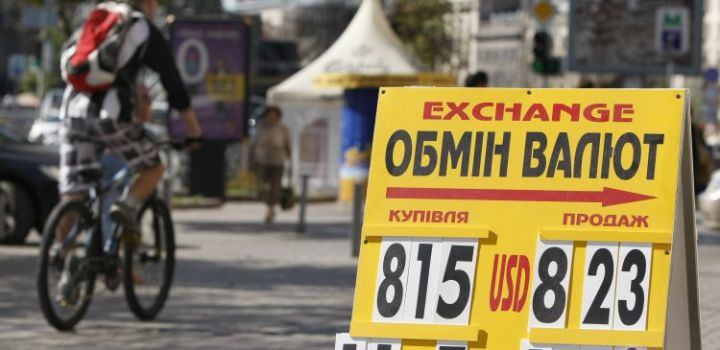
The forecast provided by the regulator looks optimistic. However, today the hryvnia is influenced not only by economic factors.
The currency market and its dynamics today depend not only on macroeconomic conditions but also on the situation in the East, dialogues on conflict resolution, the state of the information space, and relations with international financial organizations. This is noted by the NBU regulators on their Facebook page. The National Bank of Ukraine also pointed out that participants in the currency market reacted sharply to discussions about possible changes in the composition of the parliamentary majority. According to the National Bank, the number of payments in foreign currency to non-residents exceeded the amount of incoming foreign currency during the period from June to July.
During this period, the supply of foreign currency from banks dominated over demand. The NBU forecasts based on these factors indicate that this is an objective basis for minimizing exchange rate fluctuations in the future. This will also be facilitated by a reduction in political tension once all uncertainties regarding the future of the government are resolved. Additionally, support from the Ukrainian Parliament for projects containing important economic initiatives will contribute to this minimization. The currency market can become more stable thanks to the extension of cooperation between the National Bank and the IMF. Over the past week, after two months of stability, the hryvnia depreciated against the dollar to 11.75 UAH, and then fell to 12.65 UAH. Over the past six months, the hryvnia has devalued from 8 UAH to 12 UAH. In April, the NBU reported that gold and foreign exchange reserves would no longer be used to support the exchange rate, after which the dollar rose to 13.5 UAH. It is worth reminding that on July 31, the Ukrainian Parliament adopted a 'military tax' and failed to vote for the resignation of Prime Minister Arseniy Yatsenyuk (only 16 members of the Parliament agreed to his departure).
It is notable that the Prime Minister's initiative was not supported not only in the Rada but also in the Presidential Administration and the Cabinet of Ministers.
Source: nter.net.ua

Read also