Russia's Oil Industry Seeks State Aid for the First Time, Signaling a 2026 Economic Crisis

The State of Russia's Oil Sector in 2025-2026
According to ХВИЛЯ: For the first time in its history, Russia's oil industry requires government subsidies, highlighting the severe economic challenges the country faces in 2025 and 2026. The national budget is projected to run a significant deficit as early as 2026. Industrial growth in Russia was a mere 1% over the first ten months of 2025. While oil revenues stood at 14 trillion rubles in 2024, they plummeted to 8.2 trillion in 2025-a 40% drop, with the real decline reaching 50% by year's end.
Russia's diminishing role in global oil production and trade is another alarming sign: its share has fallen from 12% in production and nearly 13% in trade before the war to just 11%. Furthermore, the discount for Russia's Urals crude oil against Brent widened dramatically, from $2-3 at the start of 2025 to $20-25 by December, with Asian buyers demanding discounts of up to $35. Urals oil is now selling for $34-36 per barrel.
Core Problems and Sector Challenges
A critical issue is the unprofitability of oil extraction. The production cost in Russia is $40-45 per barrel, but company profits collapsed in the first half of 2025: Rosneft's profit fell threefold, Lukoil's halved, and Gazprom Neft's dropped by 54%. Surgutneftegas became loss-making, posting losses of 454 billion rubles.
Amid falling demand and rising costs, other major Russian companies are also struggling, including the largest cement holding Cemros, Russian Railways, GAZ, KAMAZ, AvtoVAZ, and the diamond giant Alrosa. The decline in cement demand is attributed to:
- an overall reduction in demand,
- expensive credit hindering investment,
- an influx of cheap Chinese imports.
State support for the oil industry involves extending fuel damper payments and refunding taxes to refiners via a reverse excise tax. Over 11 months in 2025, oil companies received approximately 2.7 trillion rubles in aid from the budget. However, given current trends, Russia's economy faces serious challenges requiring urgent solutions. This situation stems from international sanctions and reduced global demand for Russian energy, which have severely impacted the nation's primary revenue source.
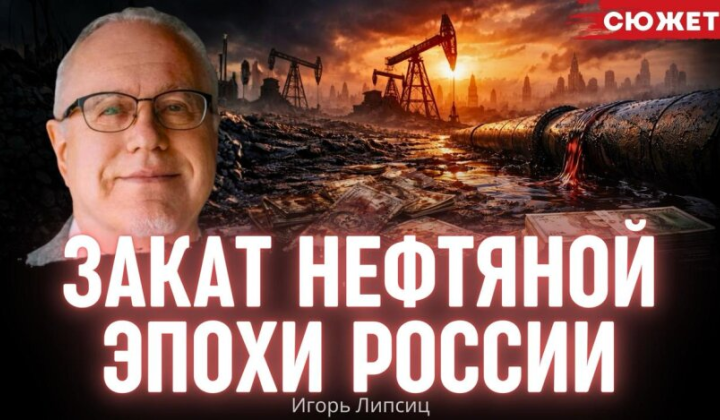
Experts like Professor Igor Vladimirovich Lipsits note that Russia has, unfortunately, become 'an energy rice bowl for China.'
Forecasts for 2026 remain uncertain, but it is already clear that the oil sector needs substantial state support to overcome existing difficulties. The industry's troubles reflect broader economic problems that could lead to further destabilization and reduced investment across other sectors.
Prominent businessman Vladimir Potanin asserts that 'Russia has ceased to be the world's gas station.'
State aid may prove insufficient to stabilize the situation without implementing structural reforms and changes in foreign economic policy.

Read also