From 1911 Cinema to Modern Ruin: The Fate of Kyiv's Oldest Movie Theater

The History of a Cinema on Beresteiskyi Avenue
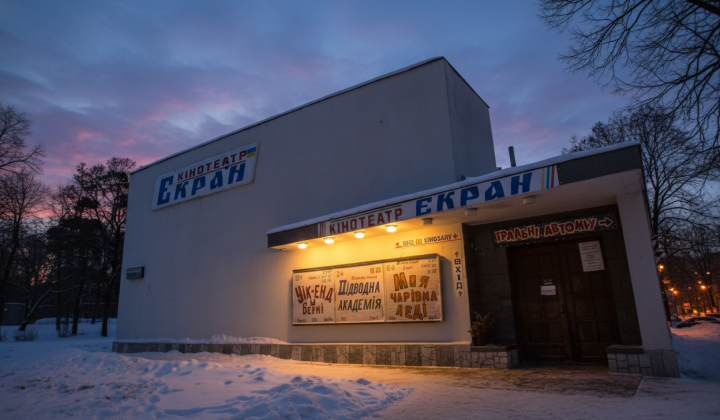
According to Главком: On Kyiv's Beresteiskyi Avenue, formerly known as Peremohy Avenue, stands the ruin of the capital's oldest permanent cinema. This theater, which first opened its doors on May 29, 1911, has witnessed a turbulent history of change. It was originally constructed in the Sviatoshyn settlement based on a design by the civil engineer Illia Shtein, and its film projector was powered by a dynamo machine connected to a kerosene engine. However, shortly after opening, the cinema was temporarily shut down due to protests from local summer residents who complained about the noise, and its equipment was moved to the village of Bilychi.
The venue underwent several name changes over the decades. During the Nazi occupation in 1943, it was renamed "Express." In that same period of World War II, the occupiers converted the screening hall into a horse stable. A major reconstruction of the building took place in 1978, but the cinema was ultimately closed in 2010 due to cracks in its foundation, which were caused by the construction of a nearby residential complex.
Current Condition and Cultural Legacy
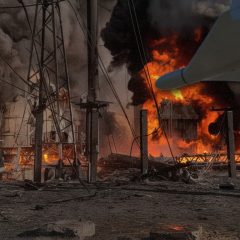
In 2018, a massive fire gutted the theater, destroying its roof and internal floors. Today, the site remains abandoned, its ruins a stark reminder of a once-popular entertainment hub. It's worth noting that an abandoned film studio is also located in the village of Nizhylovychi in the Bucha district, where popular movies such as "Kripisna," "Shchedryk," and "Viddana" were filmed. The story of this cinema reflects not only the evolution of filmmaking in Ukraine but also the nation's complex historical journey through war and upheaval.
The decline of the cinema on Beresteiskyi Avenue exemplifies broader challenges in preserving cultural heritage across Ukraine. Many historical buildings that were once vital centers of cultural life now stand in a terrible state due to factors like neglect, conflict, and economic hardship. Restoring such sites could be a crucial step in preserving the country's cultural identity and historical memory for future generations.

Read also