Who Is Next in Line After Holos Lawmaker Tsabal Steps Down From Parliament?

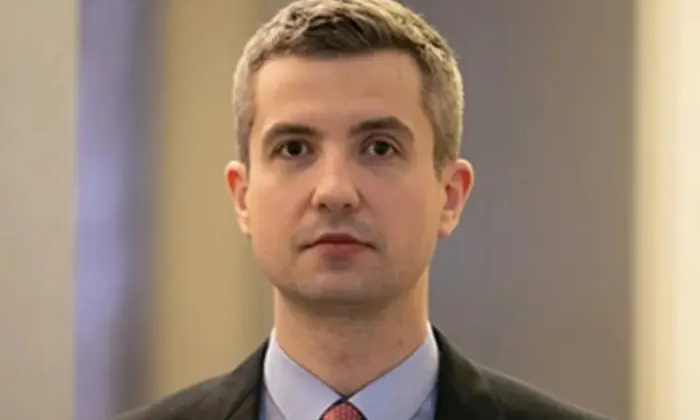
Volodymyr Tsabal Resigns His Seat
According to Главком: Volodymyr Tsabal, a lawmaker from the Holos party, has submitted a formal request to give up his parliamentary mandate. He originally entered the Verkhovna Rada in 2019 as the 12th candidate on the party's electoral list. Political analyst Mykola Davydiuk is next in line to potentially take the seat.
Shifts in the Verkhovna Rada
On April 8, the Ukrainian parliament approved a resolution to terminate the powers of Daria Volodina, a deputy from the Servant of the People faction. The decision passed with support from 253 lawmakers, bringing the total number of sitting deputies to 391. This move is part of a broader trend of resignations amid the ongoing war.
President Volodymyr Zelenskyy has stated that any lawmaker seeking to resign during martial law should either continue their work in parliament or join the military to serve on the front lines. Later, Davyd Arakhamia, head of the Servant of the People faction, clarified that the president was not calling for forced mobilization of deputies, but rather discussing legislative changes that would enable lawmakers to enlist as soldiers.
“Lawmakers who wish to resign their mandates during martial law must either keep working in parliament or go serve on the front line.” - Volodymyr Zelenskyy
The resignation of mandates during wartime has sparked debate about the responsibilities of parliamentarians in this critical period. Given the military challenges facing the country, the issue of deputies actively contributing to national defense has become especially pressing. The president’s reaction and subsequent legislative proposals could significantly reshape Ukraine’s political landscape and the role of lawmakers in national security matters.
As the Ukrainian parliament navigates these significant changes, the recent acceptance of Daria Volodina's resignation has further reduced the number of active deputies. This trend of resignations raises questions about the impact on legislative effectiveness and the ongoing responsibilities of lawmakers during wartime. With the political landscape shifting, the implications for both governance and national security are becoming increasingly critical.

Read also