Ukraine's High Council of Justice Reports Lawmakers to Parliament After Clash with Anti-Corruption Judge

Confrontation Between MPs and VAKS Judge Escalates
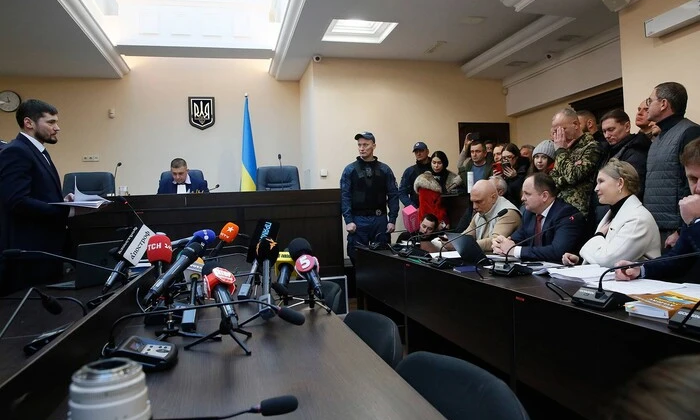
According to Главком: A heated dispute involving members of the Batkivshchyna party and Judge Vitalii Dubas of the High Anti-Corruption Court (VAKS) has prompted the High Council of Justice (HCJ) to refer the matter to a parliamentary committee. The conflict erupted during a hearing on the seizure of property belonging to Yulia Tymoshenko. Despite harsh and emotionally charged criticism directed at the judge, the HCJ concluded that no evidence of direct pressure on the court had been established.
The HCJ’s decision to take steps aimed at preventing interference in judicial activities was issued on April 23, triggered by a letter from Judge Dubas dated January 22. The judge had ordered a closed-door session for the case involving the asset seizure of Yulia Tymoshenko and her husband. During the hearing, MP Kostiantyn Bondarev shouted insults at both the judge and a NABU detective, forcing the session to be adjourned until the following day. Dubas also asked the Prosecutor General to open a criminal investigation into alleged interference, but the Prosecutor General’s Office later informed the HCJ that there were insufficient grounds to enter the case into the Unified Register of Pre-trial Investigations.
Case Background and Fallout
In light of these events, the HCJ confirmed it had found no evidence of pressure or interference targeting Judge Dubas. The underlying case involves Yulia Tymoshenko. On January 16, 2026, a VAKS judge ordered a preventive measure in the form of bail set at 33.28 million hryvnias. On January 21, VAKS partially granted a request to seize Tymoshenko’s assets, which included the following vehicles:
- Toyota LC 200 (2018 model)
- GAZ 14 (1983 model)
- Audi A8 (2016 model)
- two garages in Dnipro owned by Oleksandr Tymoshenko.
On January 13, NABU and the Specialized Anti-Corruption Prosecutor’s Office (SAPO) announced they had documented illegal activities by the head of one parliamentary faction, and searches were conducted at the Batkivshchyna party office on January 14. Yulia Tymoshenko was officially notified of suspicion. According to NABU, she allegedly initiated negotiations to bribe deputies for favorable votes, offering $10,000 per month for two parliamentary sessions. Voting instructions were reportedly to be delivered via the Signal messaging app.
Kostiantyn Bondarev: 'This is a kangaroo court! And you are part of the crime! Do you have any conscience?! You will be judged yourselves!'
This ongoing controversy surrounding the seizure of Yulia Tymoshenko’s assets and the clash with Judge Dubas continues to draw significant public and political attention. The incident highlights growing tensions between political figures and Ukraine’s judiciary, raising concerns about judicial independence and potential political interference. As the country grapples with high-stakes anti-corruption efforts and political polarization, such conflicts risk undermining public trust in state institutions over the long term.
In the wake of the ongoing legal challenges involving Yulia Tymoshenko, it's important to note that the court has recently denied her appeal regarding the bribery investigation against her, further complicating her situation. This decision comes as the ramifications of the High Anti-Corruption Court's actions continue to unfold, highlighting the tense interplay between judicial proceedings and political figures in Ukraine.

Read also