Skull Bone Marrow Holds Immune Hubs That May Shield the Brain From Cancer

Immune Organ Discovered in Skull Bones Could Aid Fight Against Brain Cancer
According to НВ — Техно: August 20, 12:03 PM
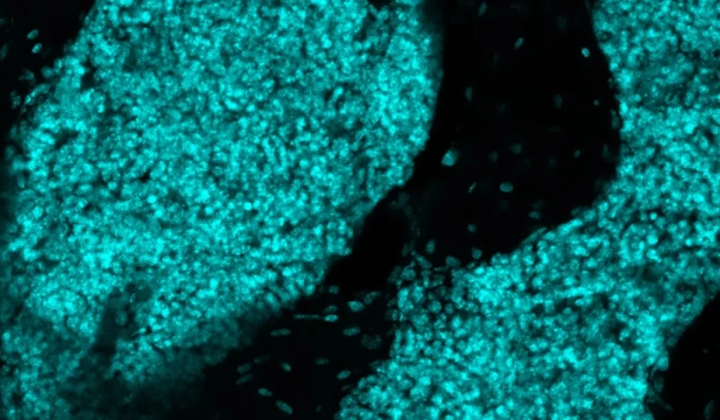
Researchers at Washington University School of Medicine in St. Louis have uncovered previously unknown immune formations in the skull bone marrow of mice. These clusters of immune cells, resembling the lymphoid structures found in lymph nodes, sit close to the brain and serve as a site where B cells can multiply and prepare to respond to threats. The discovery opens up fresh avenues for cancer research, particularly because these structures may act as a local defense line for the brain.
The team conducted experiments using mice with glioma, a type of aggressive brain tumor. When these lymphoid structures were disrupted, tumors grew faster and the animals lived shorter lives. Cell biologist Jang Hyun Park, one of the study's authors, commented:
“We have never observed such formations in healthy bone marrow before.” - Jang Hyun Park
In a separate experiment, mice received an injection of a hydrogel containing three immune-boosting proteins under the skin of the scalp. This treatment strengthened the immune response, allowed the mice to fight tumors more effectively, and extended their survival. The results suggest that new brain cancer therapies could potentially be delivered through the scalp to these immune structures, avoiding the need for complex brain surgery.
Although the newly identified immune structures have so far been confirmed only in mice, previous studies have found follicular T cells in human skull bone marrow, hinting that a similar system may exist in people. That possibility could open the door to further research and future treatment strategies for brain cancer. The report was sourced from Science Alert.
Photo: Jang Hyun Park.
New Possibilities for Therapy
The discovery of immune structures in the marrow of skull bones could reshape how brain tumors, including gliomas, are treated. Learning how these structures operate may lead to less invasive therapies compared with current standard approaches, and it highlights the broader importance of studying immune defenses in oncology. With human trials still needed, the finding underscores the value of continuing to explore immunity as a route to improving outcomes for brain cancer patients.
This groundbreaking discovery regarding immune structures in the skull could pave the way for innovative approaches to brain cancer treatment. Interestingly, a related study from a Japanese team highlights a protein within tumors that may help overcome therapy resistance. Exploring this link could lead to more effective strategies in combating aggressive brain cancers, making it essential for readers to stay informed on these advancements. For more details, check out the article on tumor resistance mechanisms.

Read also