Protein Found Inside Tumors Could Break Therapy Resistance, Japanese Team Reports

An Ancient Protein Takes On Cancer: New Hope for Resistant Tumors
According to НВ — Техно: Article published: August 10, 9:00 PM
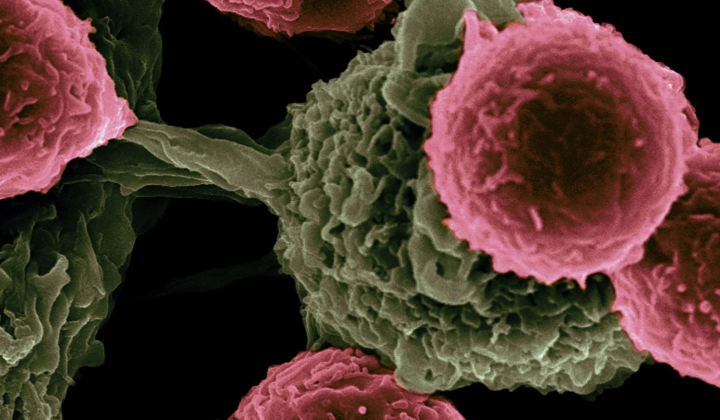
Researchers at Japan's Nagoya University have identified a surprising ally in the fight against hard-to-treat cancers: a protein called C3, part of the complement system. When produced directly within tumor tissue, C3 blocks the buildup of immunosuppressive cells, making immunotherapy far more effective. The team, led by Associate Professor Yuki Miyai, found that this protective effect only occurs when C3 is synthesized locally in the tumor; C3 circulating in the bloodstream has no bearing on treatment outcomes. Since immunotherapy is a cornerstone of modern oncology, understanding why some tumors resist it is crucial.
Key Findings From Animal and Human Studies
In experiments with mice, reducing C3 production in the liver by 90% did not weaken the response to anti-PD-1 antibodies. By contrast, when fibroblasts within the tumor stopped making C3, the therapy's effectiveness dropped sharply-even though blood C3 levels fell by just 9%. The locally produced C3 is cleaved into a fragment called iC3b, which prevents immunosuppressive myeloid cells from entering the tumor.
A drug designed to mimic C3's action made immunotherapy work against tumors that had previously been considered completely resistant, and it significantly extended the animals' survival. Clinical samples from lung cancer patients told a similar story: roughly half of those with high local C3 levels responded positively to treatment, while none of the patients with low C3 levels did. This strong link between local C3 and clinical response points to a potential biomarker for immunotherapy.
The findings were published in Nature Communications. C3 is an ancient protein, found even in sponges and jellyfish. In humans, most C3 is made in the liver and travels through the blood-but this study suggests that what matters most for cancer therapy is the C3 produced inside the tumor microenvironment.
The Japanese team's discovery could have major implications for oncology, offering a new path to treating tumors that have resisted existing therapies.
This work highlights the importance of local immune-system activity within tumors and could lay the groundwork for a new class of cancer drugs. The authors stress that further clinical trials are needed to confirm these effects in patients and to determine the best way to deploy such therapies.
In addition to the promising findings on C3's role in enhancing immunotherapy, recent research highlights another fascinating approach in cancer treatment. A study has shown that creatine can stimulate the immune response against cancer, potentially offering new avenues for overcoming treatment resistance. Understanding these innovative strategies may provide further insights into effective cancer therapies.

Read also