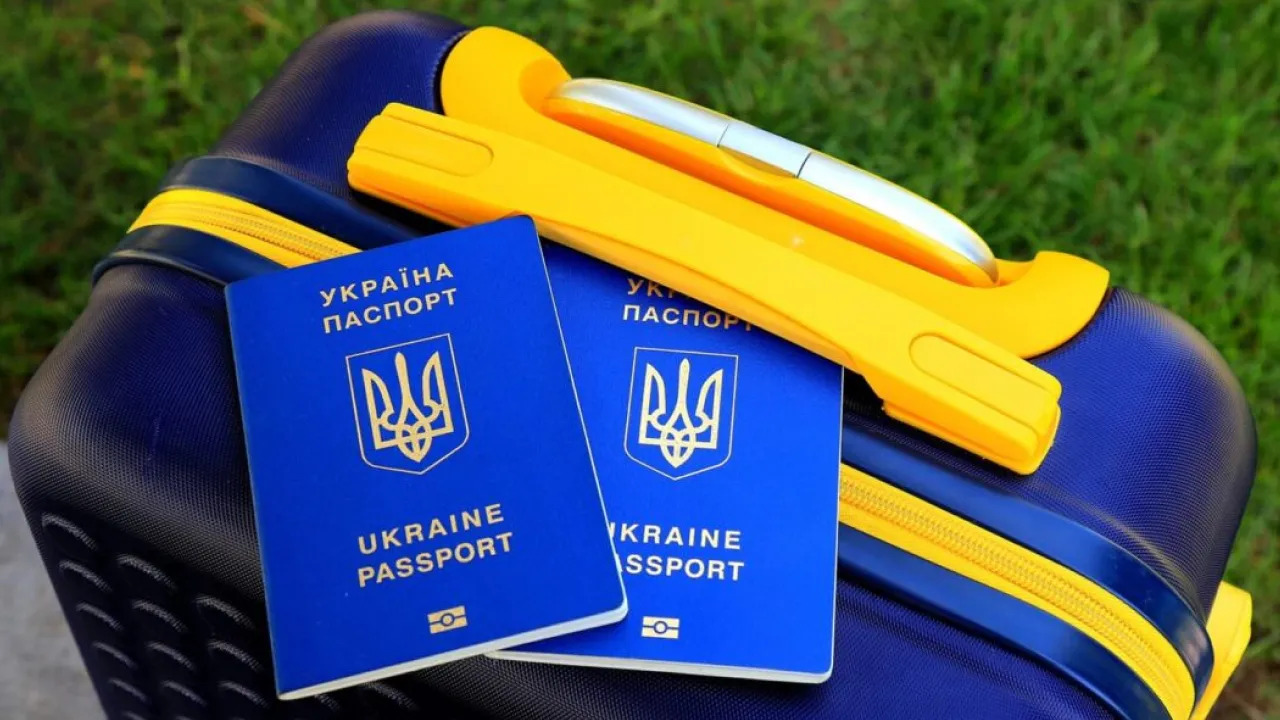
Studying in Poland — Admission Requirements, Costs and Opportunities for Ukrainians


Poland opens up numerous opportunities for Ukrainians. In this country, one can find education in Poland for Ukrainians after the 11th grade, in general, education in Poland for Ukrainians. The main point is that the cost of education in Poland is quite affordable (the cost of education in Poland is significantly lower than in Europe). Therefore, this option should be considered first.
In general, the truth about studying in Poland is not that simple. After all, there are quite a few downsides to this process. Moreover, the cost of education in Poland for Ukrainians is important, along with other nuances. This concerns part-time education in Poland and full-time education in Poland.
It is worth considering separately whether a visa is required for studying in Poland and whether it is possible to study with a different status. Alongside this, education in Poland for refugees remains a reality. Therefore, it is worth considering the advantages of studying in Poland and all nuances.
Education System in Poland and Its Features
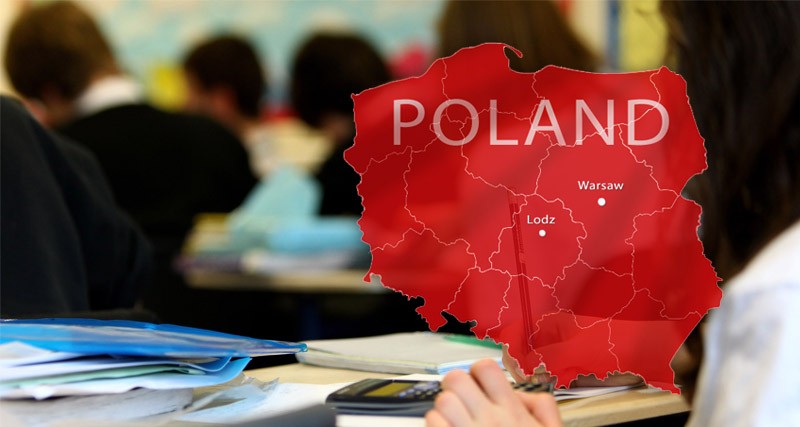
For many years, Poland has been one of the most popular destinations for higher education among Ukrainians. Geographical proximity, a high level of universities, diplomas that meet European standards, affordable education costs, and the opportunity to build an international career make Polish educational institutions attractive to applicants of different ages.
Graduates of Polish universities receive diplomas that are recognized in most EU countries, which opens up wide prospects for employment and further study. In addition to classical bachelor's and master's programs, Polish universities offer numerous English-language courses, double degree programs, academic exchanges, and internships with major international companies. Separate support programs, scholarships, and simplified admission procedures apply to Ukrainian students depending on their legal status and chosen educational institution.
At the same time, admission to a Polish university requires document preparation, confirmation of education, and, in some cases, knowledge of Polish or English. Before choosing an educational institution, it is important to consider not only the university's ranking but also the major, living conditions, internship opportunities, tuition fees, and employment prospects after graduation. A comprehensive approach to selecting a university allows one to obtain quality education and make the most of all the advantages of studying in Poland.
The higher education system in Poland is built according to the principles of the Bologna process, thus the structure of education is clear to students from other European countries. The main levels of education are bachelor's, master's, and doctoral degrees. Most bachelor's programs last three or three and a half years, after which the student can continue their studies at the master's level. For certain specialties, particularly medicine, dentistry, veterinary medicine, or law, long indivisible master's programs are planned.
There are both public and private universities in Poland. Public institutions traditionally have a wide scientific base, modern laboratories, and developed international cooperation. Private universities often offer more flexible study programs, smaller academic groups, and a modern approach to teaching. Both types of institutions issue state diplomas upon having the appropriate accreditation.
The educational process combines lectures, practical classes, laboratory work, seminars, independent preparation, and individual projects. Significant attention is paid to the development of practical skills, critical thinking, teamwork, and the ability to apply knowledge in professional activities. In many specialties, students undergo practical training or internships even while studying.
Assessment is conducted on a five-point scale, where the highest grade is 5.0. Final certification may include written and oral exams, defense of course and diploma works, completion of practical tasks, or passing comprehensive exams depending on the area of study.
An important feature of Polish education is the high level of international integration. Universities actively participate in academic mobility programs, allowing students to temporarily study in other European countries and gain international experience without interrupting their main studies.

Among the main advantages of the Polish education system, one can highlight:
- diplomas of European standard;
- a wide choice of public and private universities;
- the possibility of studying in Polish and English;
- modern material and technical base;
- international student programs;
- the ability to combine study with official work within the framework of current legislation.
These are the main conditions for studying in Poland.
Studying in Poland after 11th Grade for Ukrainians
Ukrainian graduates can enroll in Polish universities immediately after completing full secondary education. To do this, it is necessary to have an education document that is recognized in accordance with current regulations, as well as to meet the requirements of a specific educational institution. The admission procedure may vary slightly depending on the university, specialty, and form of study.
In most cases, admission is carried out without traditional entrance exams. The basis for competitive selection is the average grade of the certificate, results of individual subjects, or additional documents. At the same time, creative specialties, medicine, architecture, art, or certain technical fields may require an interview, a creative competition, or an entrance examination.
An important requirement is the confirmation of the language proficiency level of the language of instruction. If an applicant chooses a Polish-language program, the university may require a Polish language knowledge certificate or conduct its own language testing. For English-language programs, it is usually necessary to confirm English proficiency with an international certificate or pass an internal exam of the university.

The document package usually includes a passport, an education document with an attachment, photographs, an application, medical insurance, and other documents according to the specific requirements of the institution. Some universities accept documents entirely in electronic form through their own online registration systems, which significantly simplifies the admission process for foreign students.
Ukrainian citizens can also qualify for separate benefits or special admission conditions depending on their status, the current Polish legislation, and the rules of the specific university. In addition, some educational institutions organize preparatory language courses to help future students adapt to studying in Polish.
Many universities recommend submitting documents in advance, as the number of places in certain popular specialties is limited, and admission campaigns may end before the start of the academic year.
Cost of Education and Additional Expenses
The cost of education in Poland depends on the type of university, specialty, language of instruction, and level of education. Programs in Polish at public educational institutions are usually the most affordable, while English-language specialties and certain prestigious fields can be more expensive. Medical, dental, veterinary, and aviation programs traditionally have the highest costs due to the significant volume of practical training and use of specialized equipment.
On average, tuition for bachelor's or master's programs for international students ranges from a few thousand to more than ten thousand euros per year, depending on the university and field of study. Private educational institutions set their own tuition rates, so prices can vary significantly even among universities in the same city.
In addition to tuition fees, future students need to consider monthly living expenses. The main budget items include rent for housing or a place in a dormitory, food, transportation, medical insurance, mobile communication, study materials, and personal expenses. Traditionally, the most expensive cities include Warsaw, Krakow, Wroclaw, and Gdansk, while living in smaller cities is often cheaper.
Most public universities offer student dormitories. The cost of living in them is significantly lower than renting an apartment; however, the number of places may be limited. That is why many students apply for accommodation before the start of the academic year.
When planning a budget, it is important to account for the following expenses:
- tuition fees;
- living in a dormitory or rented housing;
- utilities;
- food;
- medical insurance;
- transport;
- purchase of textbooks and study materials;
- registration of documents and student ID.
Ukrainian students can qualify for various types of financial support. Polish universities regularly provide academic, social, sports, and research scholarships. In addition, specific international funds, charitable organizations, and cooperation programs between Ukraine and Poland also finance education or partially compensate living expenses. In some cases, students may study for free if they meet the requirements of legislation or special educational programs.
Education for Refugees and State Support Programs
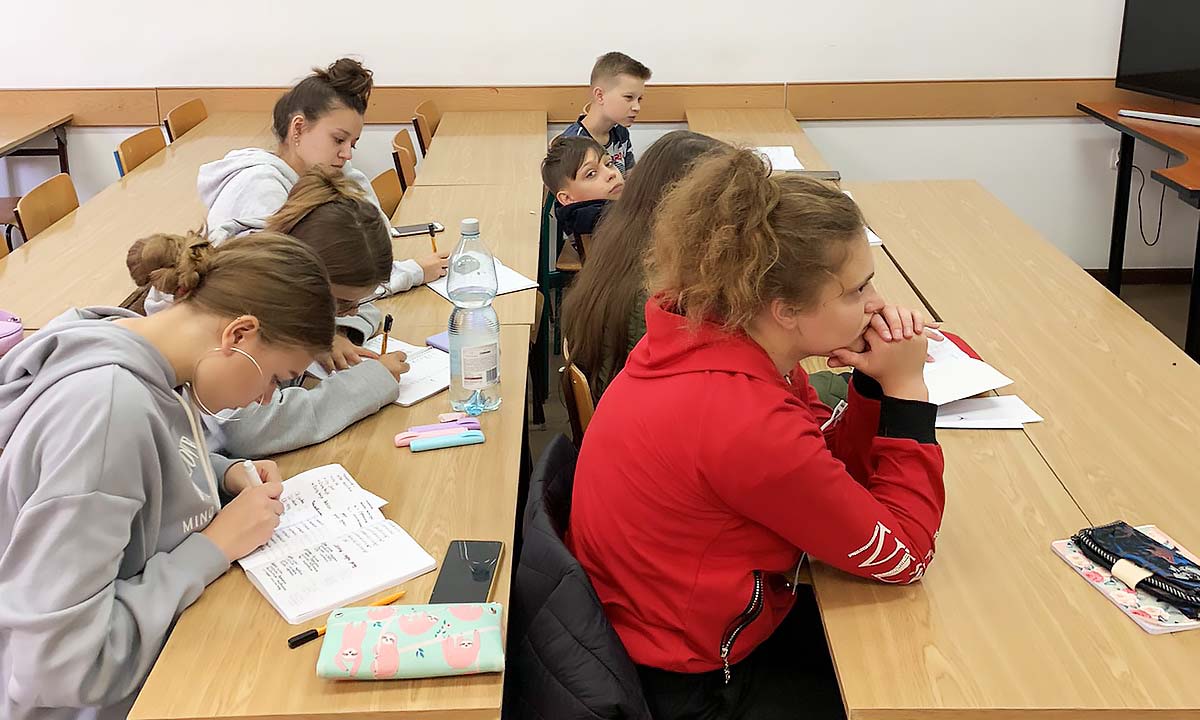
After the start of the full-scale war, Poland implemented a number of support mechanisms for Ukrainian citizens who were forced to leave their country. This also pertains to education. Individuals legally staying in Poland according to special legal protection mechanisms can take advantage of specific educational opportunities provided by Polish legislation.
Some public universities have opened special support programs for Ukrainian students. These include preferential admission conditions, free language courses, psychological assistance, adaptation consultations, as well as additional scholarships or grants. Each university independently determines the list of available programs, so conditions may vary.
Some students have the opportunity to continue their education that began in Ukraine. If the complete set of documents is temporarily lacking, the university may apply an individual approach to evaluate previous educational results according to current regulatory procedures.
A significant role is played by psychological and social adaptation. Universities organize integration events, language clubs, mentoring programs, and student associations to help newcomers adapt more quickly to the new educational environment.
Government and local authorities also support Ukrainian students by funding specific educational projects, language courses, and integration programs. Additional assistance is provided by international organizations, university funds, and charitable institutions.
To obtain certain types of support, documents confirming legal status, identity, previous education, and other circumstances specified by the specific program may be required. Due to regular changes in legislation, the conditions of specific programs may be updated, so it is advisable to clarify the current requirements directly at the chosen university or relevant government body before submitting documents.
Part-Time and English-Language Education in Poland
Polish universities offer various formats of study, allowing students to choose the most convenient option according to their own needs. The most popular formats are full-time, part-time, and English-language study.
Part-time study is in demand among those who combine study with work. Classes are usually held on weekends or in a format of several study sessions during the semester. Between them, students independently study the material, complete practical assignments, take online consultations, and take necessary credit and examination works.
English-language programs are especially popular among international students. They provide the opportunity to study without knowledge of Polish and obtain a diploma that is competitive in the international labor market. The highest number of English-language programs is offered in the fields of business, economics, international relations, information technology, medicine, engineering, and natural sciences.
To enroll in English-language specialties, it is necessary to confirm a sufficient level of English proficiency. Depending on the university, this may be an international language certificate or successful completion of internal testing.
Studying in English is often more expensive than similar programs in Polish; however, students gain access to an international academic environment, exchange programs, double degrees, and teachers from various countries.
In recent years, mixed learning formats have actively developed, where some disciplines are taught online, and practical classes take place directly at the university. This format provides greater flexibility and allows for a more effective combination of study with professional activity.
Regardless of the chosen form of study, a diploma from a Polish university has the same legal force if the accredited educational program is completed and all requirements of the curriculum are successfully fulfilled. This allows graduates to continue their education, undergo professional training, or work in Poland and many other countries around the world.
Poland remains one of the most popular destinations for higher education among Ukrainian applicants due to its geographical proximity, cultural similarity, and relatively affordable tuition costs. At the same time, the year 2026 brought substantial legislative changes concerning requirements for foreign students, specifically tightening language criteria, so it is worth closely examining the current admission conditions, visa procedures, and real employment prospects after graduation.
Advantages and Disadvantages of Studying in Poland
The main advantage of the Polish higher education system for Ukrainian applicants remains the European diploma, recognized in all EU countries, which opens up wide possibilities for further employment or continuation of studies abroad. The cost of education at Polish institutions is significantly lower compared to Western European universities: depending on the specialty and institution, the annual fee ranges from two to six thousand euros, and certain state programs in Polish, with the appropriate certificate, offer free education for foreign students.
An additional advantage is the developed infrastructure of student dormitories: living in a standard dormitory at a public university costs about three hundred to seven hundred zlotys per month, while private dorms are more expensive-ranging from five hundred to one thousand six hundred zlotys. The geographical proximity to Ukraine allows students to maintain regular contact with their families and reduce transportation costs compared to studying in more distant countries.
Among the disadvantages, the following factors should be noted:
- A significant tightening of language requirements from August 2025, when an obligatory level of Polish language knowledge B2 is introduced for admission to Polish universities instead of the previous simplified threshold.
- High competition for popular specialties-medical, economic, and technical faculties of specific universities exhaust their limits for foreigners as early as spring.
- The necessity of passing a lengthy nine-month preparatory course "Zerówka" for applicants who do not have sufficient language proficiency.
- Increasing living costs in large academic cities, particularly in Warsaw and Krakow, where housing rental costs significantly exceed average figures for the country.
In general, despite the complicating admission procedure, Polish education remains one of the most rational options for Ukrainian applicants due to the combination of quality, affordability, and geographical convenience.
Visa for Study and Legalization of Stay
The main document for legalized long-term studies in Poland remains the national D-type visa, which is issued based on an official letter of admission to an educational institution-a university, college, high school, or kindergarten. This visa is issued exclusively to individuals studying on a full-time stationary form and allows them to legally stay in the country for more than ninety days, necessary for the usual visa-free regime.
The standard document package for obtaining a student visa includes a completed application form, an original and a copy of the admission letter to the educational institution, proof of financial solvency in the form of a bank statement or a sponsorship letter from parents or other individuals, as well as a medical insurance policy accredited according to consular requirements. Ukrainian applicants can also use the temporary protection status, which allows them to legally reside, study, and work in Poland, however, it should be noted that this status itself is not the basis for obtaining Polish citizenship in the future.
In addition to the student visa, legalization of stay for educational purposes is possible by obtaining a residence card with the basis for study, which is issued after arrival in the country based on the confirmation of admission to the educational institution. This residence permit is subject to annual renewal for the entire period of study and provides broader rights compared to visa status, including the ability to apply for certain social services and simplify border crossings within the Schengen zone.
Employment Prospects after Study
Graduates of Polish higher educational institutions have a legislatively secured right to seek employment for a certain period after graduation without the need to leave the country immediately, which significantly facilitates the transition from student status to full-fledged employment legalization. To work, a graduate must change their basis for stay from educational to labor, receiving a corresponding work permit from their future employer or obtaining a residence card with a new basis.
The highest demand in the Polish labor market is traditionally observed among graduates of technical, engineering, and information technology specialties, where employers actively attract foreign specialists due to a shortage of skilled labor in the domestic market. Medical specialties also remain in demand, although the procedure for diploma recognition and obtaining the right to professional practice requires additional qualification confirmation according to the requirements of relevant professional chambers.
Fluency in Polish at a high level, acquired during studies due to mandatory language requirements, becomes a significant competitive advantage for graduates when seeking work, as most Polish employers prefer candidates who can communicate freely in the country's language within a business environment. Graduates who successfully integrate into Polish society during their studies receive real prospects for long-term career development within the European Union, including the possibility of further obtaining permanent residence status after accumulating the necessary duration of legal stay in the country.
In general, Poland fits well for learning, and this country has created many favorable conditions for further employment.

Read also