This Planet Has Exactly One Sea With No Shoreline—Here’s Its Name

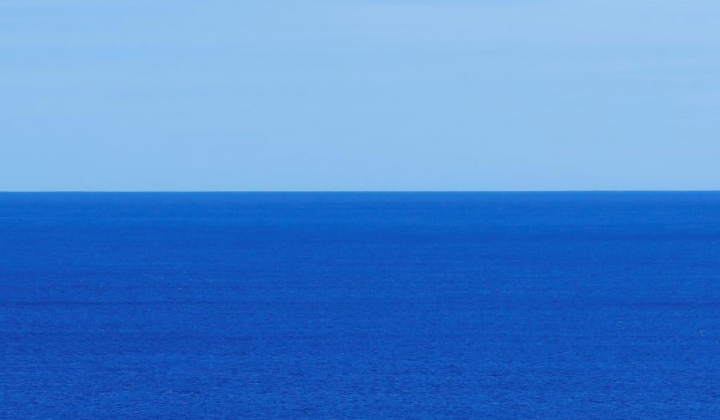
The Sargasso Sea: a unique natural feature
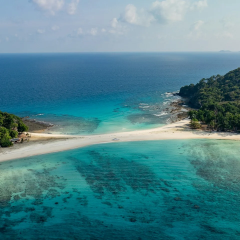
According to УНІАН — Туризм: The Sargasso Sea is one of a kind among the world’s seas because it has no coastline whatsoever. This sea is located entirely inside the Atlantic Ocean, roughly 950 kilometers east of Florida, and the nearest land is Bermuda, which lies near its western edge. It has no beaches and no visible borders, which makes it truly exceptional. In other words, it is a sea defined not by land but by the ocean currents that surround it.
Geographic profile
Four major ocean currents mark the boundaries of the Sargasso Sea:
- the Gulf Stream on the west
- the North Atlantic Current on the north
- the Canary Current on the east
- the North Equatorial Current (also known as the North Atlantic Equatorial Current) on the south
This sea spans about 3 million square kilometers, reaching 1,100 kilometers in width and 3,200 kilometers in length. Its average depth is close to 5,000 meters.
Surface water temperatures in the Sargasso Sea range from 18 to 28 degrees Celsius, and visibility in the water can extend to 61 meters. It is also famous for its nearly mirror-like surface and its frequent dead calms, a feature that has often frightened sailors. In 1492, Christopher Columbus and his crew crossed this area and became alarmed when the wind disappeared, fearing they might never leave.
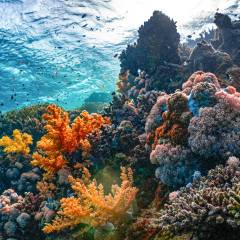
The Sargasso Sea is a major focus of scientific study because of its strange nature and distinctive ecosystem, attracting both researchers and nature lovers.
Studying the Sargasso Sea is valuable not just for science but also for understanding how the world’s oceans work. The sea is home to unique organisms that have adapted to its unusual conditions, which can offer important insight into how climate change affects marine life. Since the Sargasso Sea also influences major ocean currents, investigating it could help scientists better understand the planet’s climate patterns.

Read also