Nuclear Arms Control Enters Uncharted Territory as New START Treaty Expires

The New START Treaty Comes to an End
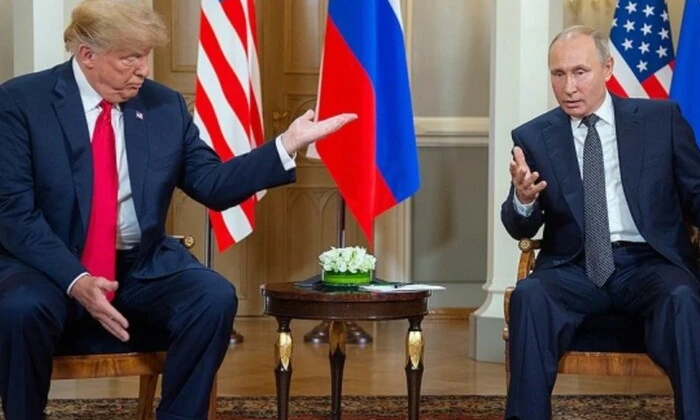
According to Главком: The New START treaty between the United States and Russia will cease to be in effect on February 5, 2020. This agreement, which limited the number of nuclear warheads each nation could deploy, provided a critical framework for monitoring strategic weapons. Its expiration means there will be no legally binding arms control agreements left between the two superpowers, significantly increasing the risk of a renewed arms race and heightened military tensions. This marks a pivotal shift in post-Cold War security architecture.
The end of New START concludes over 50 years of formal arms control treaties between Moscow and Washington. Russian President Vladimir Putin has proposed a one-year extension of the treaty's limits, but without the crucial on-site inspection protocols. This condition introduces substantial uncertainty regarding the verification of each side's nuclear arsenal, undermining the very purpose of the agreement.
Prospects for a New Agreement and International Talks
U.S. President Donald Trump has expressed a desire to negotiate a new pact that would also include China. He has directed the Pentagon to prepare to resume nuclear testing on equal terms with Russia and China. According to his statements, the U.S. is currently engaged in talks with both China and Russia concerning the reduction of nuclear stockpiles.
"The Russians can add warheads faster than the U.S. can" - Rose Gottemoeller, former U.S. chief negotiator for the treaty.
Samuel Charap, a senior political scientist at the RAND Corporation, emphasized that the true value of arms control treaties lies in their implementation, which includes inspections and data exchanges. James Acton, co-director of the Nuclear Policy Program at the Carnegie Endowment for International Peace, believes the world may be on the brink of a new arms race and that a new arms limitation treaty is unlikely to be concluded in his lifetime.
Consequently, the lapse of New START carries profound implications for global security and nuclear arms control, presenting fresh challenges to the international community. In the absence of binding agreements, diplomacy will play an indispensable role in preventing escalation between nuclear-armed states. Re-establishing dialogue and seeking new frameworks for agreement will be critically important for maintaining global stability.

Read also