Germany Puts Forward Steinmeier as EU Representative for Peace Talks

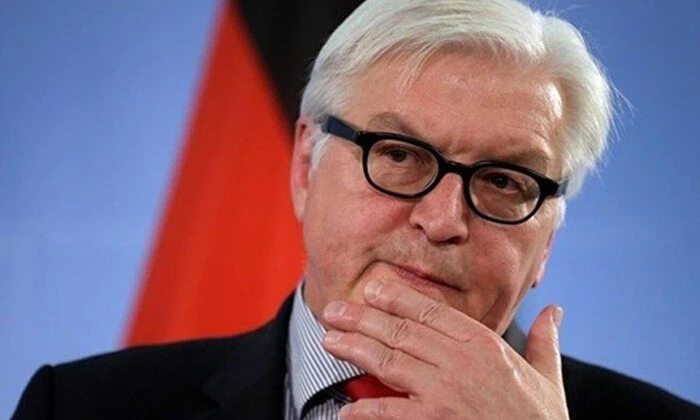
Steinmeier’s Candidacy Under Discussion
According to Главком: Germany is considering President Frank-Walter Steinmeier as a potential EU representative in negotiations aimed at ending the war in Ukraine. Within the ruling coalition, this possibility is being actively discussed, and his involvement in any future peace process will be a key topic in upcoming internal consultations. German authorities remain skeptical about Moscow’s willingness to make genuine compromises, viewing Kremlin statements as part of a hybrid strategy designed to divide Europe.
Vladimir Putin’s proposal to appoint Gerhard Schröder as the EU’s negotiator is unlikely to gain support within the German government. Berlin believes Schröder cannot independently fulfill such a role. As an alternative, the idea of a negotiation duo involving both Steinmeier and Schröder is being explored. One potential test for Russia would be its readiness to extend the current ceasefire regime.
Steinmeier’s Visit to Ukraine
In October 2022, Steinmeier visited Ukraine, where he spent over an hour in a bomb shelter in the Chernihiv region during an air raid alert. In December 2025, during his Christmas address, he called for European unity and continued support for Ukraine. The so-called Steinmeier Formula, which addressed the conflict settlement in Donbas, stipulated that a special status law for the region would take effect only after local elections were held and the OSCE confirmed they met international standards.
Ukraine’s Foreign Minister Andrii Sybiha has made it clear that Kyiv does not support Gerhard Schröder’s candidacy. As Estonian Prime Minister Kaja Kallas noted,
“Schröder was a high-level lobbyist for Russian state-owned companies.”
These factors highlight the complexity and sensitivity surrounding potential negotiations over Ukraine.
The discussion of Steinmeier as a candidate for Ukraine-related talks signals a renewed push in EU diplomatic efforts amid the ongoing conflict. Germany, as a key EU player, aims to ensure that any negotiations are geared toward achieving tangible outcomes, especially given the lack of trust in Russian intentions. This could shape the future dynamics of Europe-Russia relations and influence Ukraine’s position in international talks.
As discussions around Steinmeier's potential role intensify, it's worth noting that Germany is also expanding its list of possible mediators for the negotiations concerning Ukraine. This broader approach may reflect the complexities of the current geopolitical landscape and the necessity for a unified strategy. For more insights on the evolving dynamics of Germany's mediation efforts, see Germany's expanding mediator options for Ukraine negotiations.

Read also