German Intelligence Highlights Russia’s Threats, War Escalation, and Germany’s Role in Supporting Ukraine

Russia’s Threat to Germany: Insights from Intelligence Experts
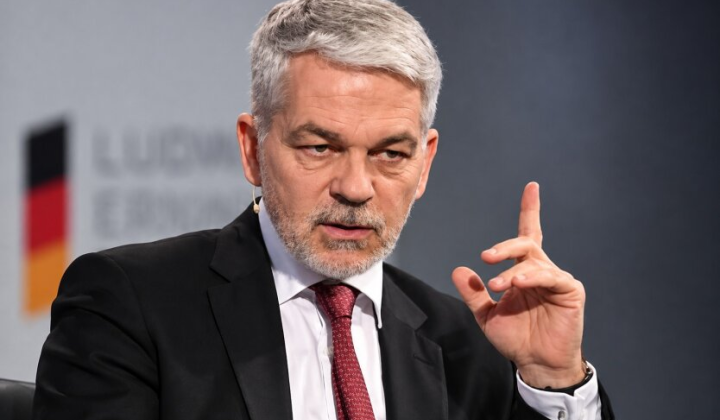
According to ХВИЛЯ: In a recent discussion, Professor Carlo Masala from the Bundeswehr University and Paul Ronzheimer examined the risks Russia poses to Germany, alongside the evolving military and political landscape in Ukraine. They emphasized Germany's pivotal role in backing Ukraine amid ongoing conflict escalation. Martin Heger, head of Germany’s Federal Intelligence Service (BND), warned that Russia is conducting a covert campaign against Germany. According to Heger,
“Germany faces the real danger of being drawn into a violent confrontation with Russia.”
Since 2017, open hearings involving leaders of Germany’s three main intelligence agencies have become a crucial platform for addressing threats stemming from Russian actions. These hearings were introduced following the NSA surveillance scandal and shortcomings in domestic intelligence related to the 'National Socialist Underground' cases. The agencies involved include:
- BND (foreign intelligence)
- Federal Office for the Protection of the Constitution (domestic intelligence)
- Military Counterintelligence Service (Bundeswehr intelligence)
The BND identifies Russia as a severe threat to Germany, highlighting its ongoing shadow warfare. Masala pointed out Russia’s use of hybrid tactics such as disinformation campaigns, sabotage, and espionage.
“Russia openly considers countries supporting Ukraine, particularly their defense industries, as legitimate targets.”
This was underscored by a recent attempted drone attack with explosives on a Ukrainian Antonov aircraft in Leipzig, demonstrating the seriousness of the threat.
Developments in Ukraine and Germany’s Domestic Political Challenges
The interview also covered Ukraine’s current situation, noting a recent Ukrainian operation named 'Vivaldi' that reclaimed nearly 140 square kilometers of territory. Masala stressed that
“If Ukraine falls because we withdraw our support, the security landscape for Europe and Germany will deteriorate sharply.”
Experts agree the conflict is far from over, with Russia preparing for a prolonged war while extending its occupation in the Donbas region.
Regarding Germany’s internal politics, Masala warned of potential instability due to a possible coalition breakdown and the replacement of Chancellor Friedrich Merz, factors that could affect Ukraine support. He urged swift legislative action:
“The message is clear: pass new laws quickly, or we won’t be able to respond effectively.”
While German intelligence agencies focus on gathering information rather than operational actions, Masala highlighted that the BND maintains its own sources inside Russia, including human assets, intercepted calls, emails, and other communications.
The situation in Ukraine and Russia’s ongoing activities remain a major concern for Germany and its European partners. Masala affirmed,
“We will not back down; we understand how crucial this conflict is for European security.”
Intelligence leaders, including Heger, address three audiences publicly: the German parliament, the public, and Moscow. Germany continues to play a key role in sustaining support for Ukraine as threats from Russia intensify.
This context underscores the necessity for coordinated efforts among Germany and its allies to counter Russian threats, particularly in the framework of the Ukraine war. Supporting Ukraine amid mounting tensions is essential not only for the Ukrainians but also for the stability of Europe as a whole. The interview participants stressed the urgent need for rapid responses and strengthening defense mechanisms to prevent further escalation of the conflict.
As the situation in Ukraine continues to evolve, Germany prepares for a surge in Russian hybrid threats, highlighting the urgency of addressing these risks. The interplay between domestic political challenges and external pressures from Russia underscores the critical nature of Germany's support for Ukraine amidst escalating tensions.

Read also