German Researchers Detect Four-Stranded DNA Structures in Human Blood Plasma for the First Time

Unexpected Discovery
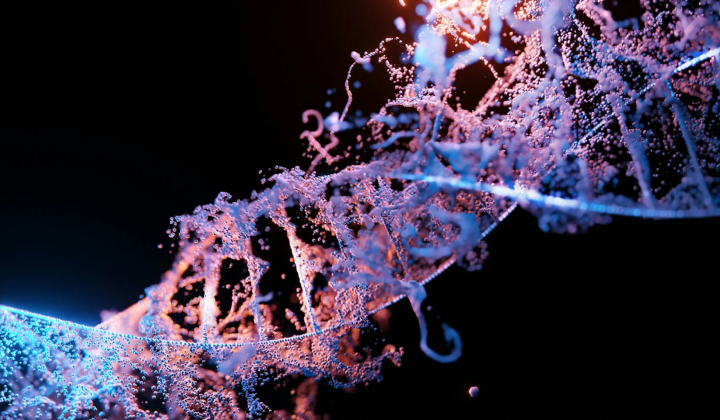
According to НВ — Техно: Scientists in Germany have identified unusual four-stranded DNA formations, known as G-quadruplexes (G4), circulating within human blood plasma. These unique structures consist of four guanine bases arranged into square-like configurations. The findings were first shared as a preprint on the bioRxiv platform, with the research led by Robert Hänsel-Hercht from the University of Cologne.
Innovative Research Approach
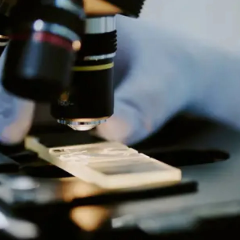
A key element of this breakthrough was the gentle methodology developed by the team, which avoided harsh extraction techniques and high-temperature processes. To detect the G4 structures, researchers employed specialized antibodies and fluorescent molecular probes that light up upon binding. Elevated levels of G4 formations have previously been observed in certain tumor types, suggesting their potential as diagnostic markers in cancer.
Despite this progress, the team has yet to determine whether the detected structures originate from DNA or RNA, or which tissues may have released them into the bloodstream. The genetic fragments uncovered in the blood appear more complex than previously understood, and their folding patterns may provide an additional layer of biological information. This advancement opens promising new avenues for genetic and oncological research.
Finding G-quadruplexes in blood plasma represents a significant step toward developing novel diagnostic tools and treatments for cancer. Since higher concentrations of G4 structures are linked to specific cancers, future studies might establish their role as early disease biomarkers. This discovery highlights the critical impact of emerging technologies in genetics and their potential to transform medical diagnostics and care.
This discovery aligns with recent advancements in DNA research, such as the groundbreaking work capturing the connection of DNA molecules through atomic force microscopy. By exploring the intricate details of DNA structures, scientists are paving the way for innovative diagnostic methods. For more on this exciting development, see how the visualization of DNA interactions is changing our understanding of genetic processes.

Read also