2026 Nobel Prize in Medicine Awarded for Breakthroughs in Optogenetics: Controlling Nerves with Light

Highlights of the 2026 Nobel Prize in Physiology or Medicine
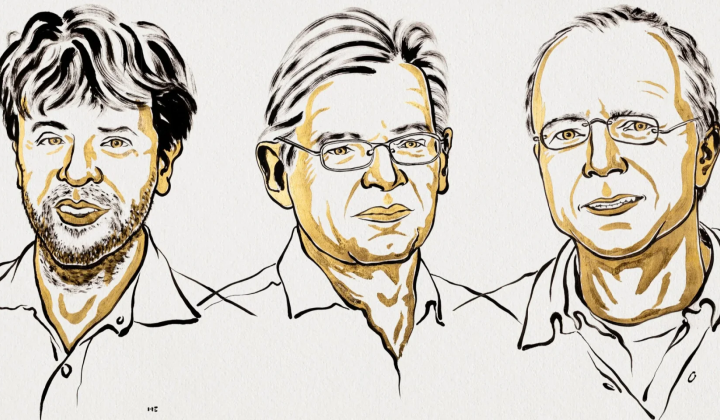
According to НВ — Техно: The 2026 Nobel Prize in Physiology or Medicine was awarded to three scientists for pioneering work in optogenetics, a technique that enables precise control of nerve cell activity using light. The esteemed recipients are Karl Deisseroth from the United States, along with Peter Hegemann and Georg Nagel from Germany. Presented for the 117th time, the award includes a gold medal, a diploma, and a cash prize of 11 million Swedish kronor.
Advancements in Optogenetics Research
Optogenetics has revolutionized neuroscience by allowing researchers to investigate how neurons govern memory, emotions, and behavior within living brains. Karl Deisseroth, a professor at Stanford University, successfully introduced the gene for channelrhodopsin into rat neurons, enabling neural signals to be triggered with blue light. Meanwhile, Peter Hegemann and Georg Nagel, professors at Humboldt University of Berlin and the University of Würzburg respectively, discovered channelrhodopsin-a light-sensitive protein that makes nerve cells responsive to light stimulation.
The Nobel Committee emphasized that, although earlier 20th-century research mapped brain regions, establishing direct cause-and-effect relationships remained elusive. Optogenetics now offers a powerful tool to map brain circuits and demonstrate these causal links, marking a major leap forward in modern neurobiology. As Per Svenningsson stated:
“For a long time, how the brain controls feelings, behavior, and bodily functions remained a mystery.”
Additional context: The Nobel Prize in Physiology or Medicine has historically recognized transformative discoveries across generations. The youngest laureate was Frederick Banting, awarded at age 31 in 1923 for discovering insulin, while Peyton Rous became the oldest laureate at 87 in 1966 for his work on tumor-causing viruses. In 2025, the prize honored Fred Ramsdell, Mary Brankov, and Shimon Sakaguchi for their findings in peripheral immune tolerance.
The 2026 Laureates
- Karl Deisseroth (USA)
- Peter Hegemann (Germany)
- Georg Nagel (Germany)
The award package includes a gold medal, a diploma, and 11 million Swedish kronor in prize money.
The recognition of optogenetics by the Nobel Committee highlights how cutting-edge technologies are reshaping our understanding of the nervous system and hold promise for treating neurological disorders. This breakthrough offers profound potential to unravel the mechanisms underlying many mental health conditions and to inspire innovative therapeutic approaches in the future.
In addition to the Nobel Prize achievements, the field of medicine continues to celebrate significant advancements, as highlighted by the recent 2026 Lasker Awards. These awards recognize groundbreaking medical discoveries and the vital role of advocacy in healthcare, underscoring the ongoing evolution of scientific research and its impact on society.

Read also