Christopher Nolan Calls AI a Transparent Trojan Horse That Everyone Sees Coming

Beneath the Surface of a New Threat
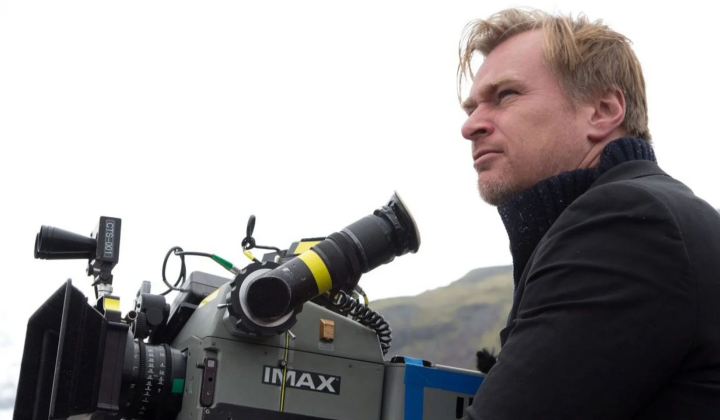
According to НВ — Техно: On July 20 at 2:30 PM, filmmaker Christopher Nolan shared his perspective on artificial intelligence, likening it to a Trojan horse. In an interview with French journalist Hugo Travers, the director argued that AI represents a danger that everyone is already aware of. He described the technology as
“a Trojan horse where everyone knows the Greeks are inside”
and added that
“this horse is transparent and made of glass”
, underscoring his cautious stance on the matter.
The Oscar-winning filmmaker pointed out that he has never seen a technology evolve so rapidly while simultaneously sparking such deep public distrust. Nolan noted that younger generations often refer to AI-generated content as 'AI slop' and dismiss it outright. He described this reaction as a healthy form of skepticism.
The Dangers of Advancing AI
Nolan did not specify the exact risks he associates with the development of artificial intelligence. However, AI became a central issue during the 2023 strikes by writers and actors. The latest contract from the Directors Guild of America, which Nolan leads, includes protections against the uncontrolled use of generative AI. The director also identified himself as a techno-skeptic, reinforcing his cautious approach to the technology.
Nolan’s remarks reflect a growing unease about the ethical and social consequences of AI development. As artificial intelligence becomes more embedded in various aspects of daily life, it is increasingly important for both the public and industry professionals to engage in discussions about these challenges and explore ways to ensure safety and oversight. This concern is especially relevant in light of recent entertainment industry strikes, which have highlighted the impact of automation and AI on creative professions.
As concerns about the implications of artificial intelligence continue to grow, it's essential to consider insights from various perspectives. For instance, the UN's warnings regarding the risks of uncontrolled AI highlight the urgency of addressing these challenges. By examining both Nolan's views and the UN's stance, we can better understand the broader conversation surrounding the future of technology and its societal impact.

Read also