Russia's Post-2024 National Vision: Four Key Trends and the Telegram Dilemma

A New National Vision and Social Contract
According to Главком: Following the 2024 presidential election, a new national concept emerged in the Russian Federation, which by 2026 had evolved into a revised social contract. This transition was marked by substantial social and political shifts affecting many areas of life. The authorities were compelled to make concessions, notably halting their campaign against the Telegram messaging app, leading to its unblocking in major cities. This reflects the Kremlin's ongoing struggle to balance control with the realities of a modern, digitally connected society.
Key Trends in Russia
Four major trends have characterized this period in Russia:
- Nationalization, involving a significant redistribution of assets.
- A rise in prosecutions, as the circle of untouchables has substantially narrowed under the guise of fighting corruption.
- An increase in visible political infighting within elite circles.
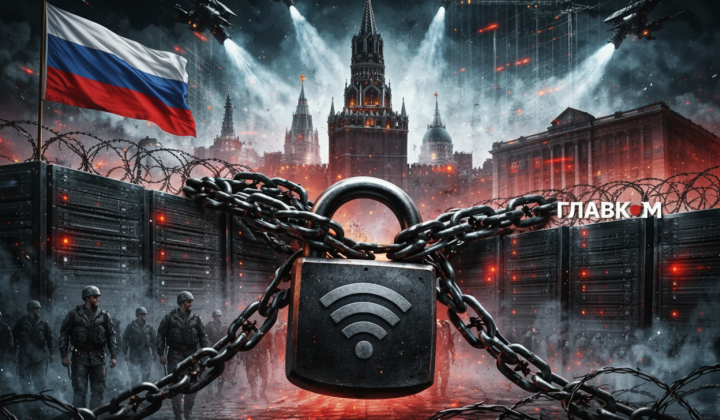
- The potential shuttering of the internet as a source of free thought, an issue driven by multiple factors.
The government's consideration of blocking Telegram stems from its inability to control pro-war 'Z' bloggers, a sharp deterioration in the population's economic well-being, and fears of potential unrest. Additional concerns include foreign influence and the economic rationale of the app's developer, Pavel Durov. In the context of preparing for a potential mobilization, analysts suggest that if Telegram is not shut down by June, a large-scale call-up of 200-300 thousand people simultaneously would be unlikely. A final decision on banning Telegram has not yet been made.
Against this backdrop, the share of hardline patriotic sentiment in society is estimated at roughly 20-22%. The security apparatus remains a pillar of the state: the Federal Security Service (FSB) is led by Alexander Bortnikov, with Sergei Korolyov as First Deputy, and Vladimir Tkachyov heading the counterintelligence directorate. These developments point to a significant evolution in Russia's political landscape with potential long-term consequences.
The shifts in Russia's political situation after the 2024 elections indicate profound societal transformations that could impact the regime's stability. Author unknown
Concessions by the authorities, such as unblocking Telegram, highlight the need to manage information flows amid social strain. Simultaneously, the rise in political repression and the potential closure of internet resources risk triggering further protests and public discontent, a situation warranting attention from the international community.
As the Kremlin grapples with the challenges posed by digital communication platforms, the broader implications for internet governance in Russia are becoming increasingly evident. The current situation raises questions about the government's strategy for maintaining control while fostering a connected society. To understand the complexities of this issue and the potential for an isolated internet, explore more in our detailed analysis of Russia's internet strategy.

Read also