Ukrainian Refugees Abroad: Return Intentions and Economic Risks Analyzed

The Status of Ukrainian Refugees Overseas
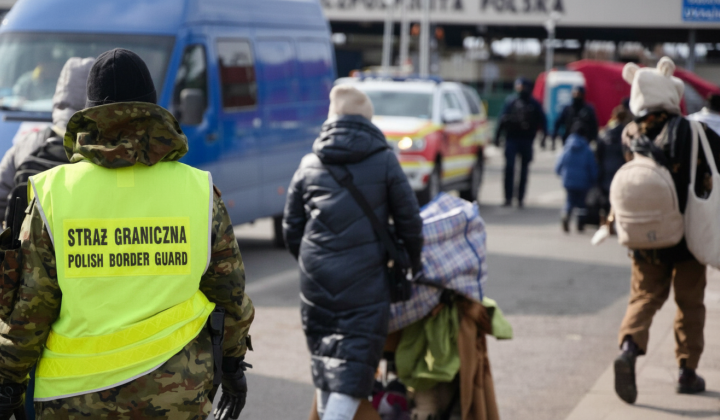
According to ХВИЛЯ: A new study by the Centre for Economic Strategy details the circumstances of Ukrainian refugees abroad, covering their numbers, education levels, employment, and plans to return. The data indicates approximately 5.6 million refugees remain outside Ukraine. A significant 71% of them hold higher education degrees and were employed before the full-scale war began. This points to a substantial loss of skilled human capital for Ukraine, as these qualified citizens were forced to flee the conflict.
Financial Standing and Return Prospects
The research also sheds light on the refugees' economic situation. Before the invasion, 43% of those who left could afford major purchases, highlighting their financial capacity. For context, only about 20% of households in Ukraine were considered affluent prior to the war. Currently, around 1.7 million Ukrainians are working in Western countries, with about 60% of refugees having found employment. However, a notable 54% of those employed are working outside their professional fields.
Intentions to return vary significantly among refugees. The study finds 43% plan to return to Ukraine, while 36% do not consider it an option. The legal status of refugees is another key factor: 80% hold temporary protection status in the EU, with the remaining 20% having secured other residence permits. The EU's temporary protection mechanism is currently set to expire in March 2027, a deadline that may influence future decisions about returning home.
Ukraine's economy faces considerable risks from this exodus, with potential annual GDP losses estimated between 2% and 10%. Accordingly, the study outlines three potential return scenarios:
- Optimistic - 2.2 million people;
- Moderate - 1.6 million;
- Pessimistic - 1.3 million.
“The desire, or lack thereof, of a teenager can become decisive for the entire family's decision,” said Andriy Shevchenko.
“Excessive benefits for one group can cause social tension. This may negatively affect societal cohesion,” noted Ella Libanova.
In summary, the Centre for Economic Strategy's study provides crucial insights into the situation of Ukrainian refugees abroad and the potential consequences for Ukraine's future. The findings underscore the critical juncture faced by Ukrainian refugees and their significant potential impact on the nation's economic recovery. The high level of education and skill among the displaced population represents a vital resource for Ukraine's future, yet also highlights the risks if instability prevents their return. With the EU's temporary protection set to potentially end in 2027, questions of return and integration will become increasingly urgent, requiring careful consideration in Ukraine's economic and social policy planning.
As the situation for Ukrainian refugees evolves, the government is taking steps to support displaced citizens. Recently, a new housing and loan initiative was launched, aimed at addressing the challenges faced by those affected by the conflict. This program, worth $1.5 billion, is expected to play a crucial role in stabilizing the lives of many who are considering their future in or outside Ukraine. To learn more about these support measures, read about the housing and loan program for war-displaced individuals.

Read also