Hungary’s New Premier Kicks Off Tenure with Warsaw Visit

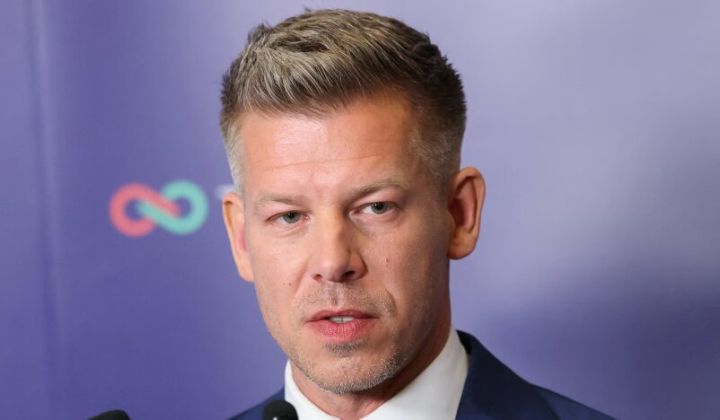
Hungarian Prime Minister’s Trip to Warsaw
According to ХВИЛЯ: Péter Magyar, Hungary’s newly appointed prime minister, made his first foreign trip to Warsaw, where he met with Polish Prime Minister Donald Tusk. Geopolitical analyst Peter Zeihan described this meeting as a strategic alliance within the Visegrád Group, which includes Poland, Hungary, the Czech Republic, and Slovakia. He noted that coordination among these nations had largely stalled over the past decade due to the policies of Hungary’s former leader, Viktor Orbán.
With Orbán stepping aside, fresh opportunities have emerged for unified stances-especially regarding Russia and the war in Ukraine. Zeihan pointed out that Magyar, a right-of-center figure, and Tusk, a left-of-center leader, can now compete on equal footing with larger established powers in decision-making processes.
'This means they can now fight on equal terms with large established states when it comes to decision-making.' - Peter Zeihan
During Orbán’s tenure, which grew increasingly pro-Russian and less aligned with European Union values, cooperation within the Visegrád Group became deeply strained. Meanwhile, several of Orbán’s former ministers fled the country, fearing imprisonment. Tusk, who came to power in Poland, represents a new political era, succeeding a nationalist government.
Key Topics on the Table
A major focus of the discussions was Russia and the war in Ukraine, which continues to shape regional politics. Zeihan also remarked, 'It seems this was a resounding success. Nobody stabbed anyone in the back. In today’s Europe, that’s already a great outcome.' The combined population of Poland, Slovakia, Hungary, and the Czech Republic is roughly equal to that of France or Italy, giving their joint positions significant weight in European affairs.
Overall, Péter Magyar’s inaugural visit to Warsaw was deemed a success, opening up fresh avenues for collaboration among Visegrád Group members.
This trip could mark a pivotal step in reviving cooperation within the Visegrád Group after a period of political isolation under Orbán’s leadership. A shared approach to critical issues, such as the situation in Ukraine, may strengthen regional ties and inject new momentum into political coordination. It also signals a potential shift in Hungary’s foreign policy, as the country seeks closer alignment with other Central and Eastern European nations amid growing challenges from Russia.
This visit marks a significant turning point for Hungary's foreign relations, particularly in the context of its approach to Ukraine. For a deeper understanding of how this shift may influence regional dynamics and Hungary's stance on the ongoing conflict, you can explore more in our article on the new prime minister's policy changes regarding Ukraine.

Read also