Facial Reconstruction and Rare Finds of a Beheaded 2nd-Century Man Near Inveresk Roman Fort

Discoveries at Inveresk
According to НВ — Техно: On November 1st, new details emerged about a man who was buried near a Roman fort in Inveresk, close to present-day Edinburgh, dating back to the 2nd century AD. This individual was found beheaded, and chemical analysis revealed he grew up in southern Britain. Although likely employed by the Roman military, he was not a soldier, as limited movement in his right arm suggests physical impairment. He was approximately 50 years old when he died, with the burial dated between 142 and 165 AD.
Examining the Remains
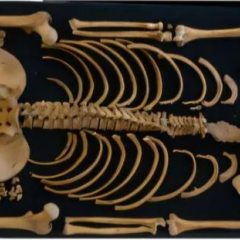
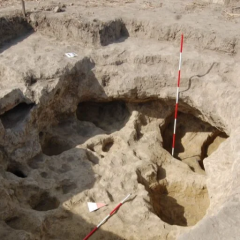
Research showed a significant bone growth on the man's right elbow, possibly caused by arthritis or as a response to an injury. Notably, six Roman-era burials have been uncovered at Inveresk, with four of those individuals also having been beheaded. The preservation of human remains in Scotland’s soil is rare, making this discovery especially valuable for archaeological study.
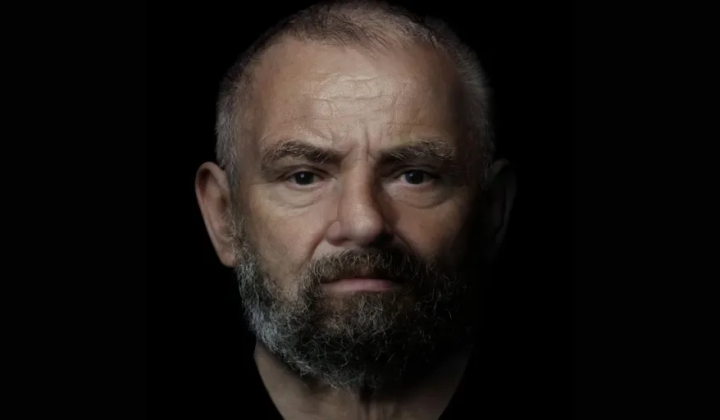
Experts from the National Museums Scotland, alongside forensic anthropologist Christopher Rynn, reconstructed the man’s face based on his skull, offering a rare glimpse into the appearance of someone who lived over 1,800 years ago. For additional context, in 2018, researchers from Sweden and the University of Athens recreated the face of an 18-year-old girl from around 9,000 years ago found in Greece’s Theopetra Cave-a site continuously inhabited for 130,000 years. Known as Avgi, her remains mark a significant period in human history, transitioning from nomadic to settled life.
The Inveresk findings highlight the crucial role of archaeology in uncovering Scotland’s past and shed light on the living conditions and social dynamics during the Roman occupation. Given the scarcity of such well-preserved remains in this region, this discovery could become a foundation for future studies aimed at deepening our understanding of the cultural and historical landscape of the time.

Read also