Occupiers Shift School Funding Burden to Locals in Crimea and Kherson Region

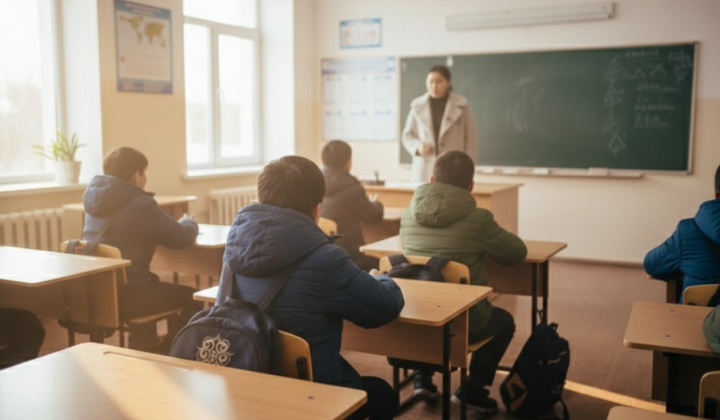
The State of Education in Occupied Territories
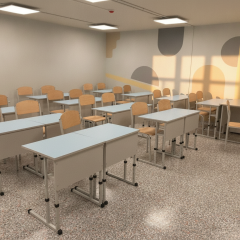
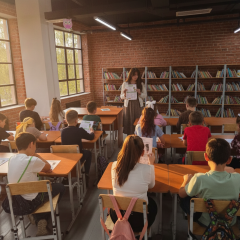
According to Главком: In the occupied territories of Ukraine's Kherson region and Crimea, the Russian-installed administration is offloading the financial responsibility for maintaining schools onto local residents and students. This policy is creating severe educational disruptions. For instance, in the city of Skadovsk, the administration of School No. 1 is demanding parents pay for diesel fuel to run generators. The city suffers from persistent power supply issues, and while the occupation authorities have prohibited halting in-person classes, they refuse to allocate funds for energy sources. This situation is part of a broader pattern of economic pressure on civilians in occupied areas.
Although the collection of funds in Skadovsk is formally voluntary, parents are effectively forced to pay. Children of those who refuse are barred from classrooms and placed on remote learning. Consequently, financing schools has become an additional burden for local residents, who must find ways to provide their children with the basic conditions for education.
Changes in Education Funding
Further changes are evident in education financing. Starting January 2026, in colleges and technical schools of occupied Yalta, monetary supplements to scholarships for students from preferential categories have been canceled and replaced with free meals. This decision negatively impacts students' financial support. The situation is even more severe in occupied Henichesk, where the occupation authorities have transformed the 'Commission for Minors' Affairs' into a punitive body. It forces teenagers from 'problem families' into labor camps under the guise of 'patriotic education.'
All of this underscores the serious challenges faced by educational institutions and local residents in the occupied territories, where funding education is becoming an increasingly critical problem.
The changes in education funding in the occupied territories point to a systematic approach by the occupation authorities to managing social issues, which may lead to a further deterioration in the quality of education.
The response of local residents to these challenges is crucial, as their ability to secure education for their children becomes vital amid broader socio-economic hardships. The situation demands attention from the international community, as the violation of children's right to education poses a serious threat to the future of the region.

Read also