Criminal Case Opened Against Ukrainian Singer Artem Pyvovarov by Russian-Controlled Authorities

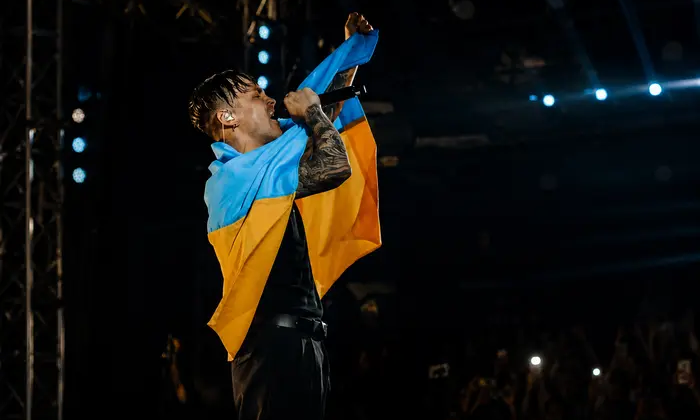
Artem Pyvovarov Faces Criminal Charges
According to Главком: The pro-Russian occupation administration in Kharkiv region has initiated a criminal case against Ukrainian singer Artem Pyvovarov and placed him on a wanted list. The artist is accused of discrediting the Armed Forces of the Russian Federation, financing the Armed Forces of Ukraine, and other actions that could carry a sentence of up to 20 years in prison.
Born on June 28, 1991, in Vovchansk, Kharkiv region, Pyvovarov has actively supported Ukrainian defenders since the start of the invasion. He has donated nearly a dozen vehicles to the military, as well as a mobile hospital valued at $250,000. His hometown of Vovchansk currently remains under occupation.
Other Cases of Repression
This is not an isolated incident. A week earlier, the occupation authorities opened a similar case against the band Zhadan and Dogs. The group was accused of financing the Armed Forces of Ukraine through a fundraiser that collected over 2.2 million hryvnias for the National Guard. Serhiy Zhadan was placed on a wanted list for his service in the Khartia unit.
The charges against Artem Pyvovarov include:
- discrediting the Armed Forces of the Russian Federation;
- financing Ukrainian armed formations;
- systematic support for the Ukrainian armed forces.
It is known that he made statements at concerts expressing support for the actions of the Armed Forces of Ukraine, and also engaged in purchasing and delivering military equipment and protective gear for Ukrainian units. In 2025, Pyvovarov was awarded the title of Honored Artist of Ukraine, highlighting his contribution to the country's cultural life.
These developments reflect an escalation of repression against Ukrainian artists and activists by the occupation authorities in temporarily captured territories. Pyvovarov, like other artists who express support for Ukraine, has become a target of criminal prosecution, illustrating a broader policy of intimidation against those opposing Russian aggression. The response to such actions may shape the future stance of Ukrainian artists and their role in upholding national identity during this difficult period.
The situation surrounding Artem Pyvovarov is part of a broader pattern of repression against Ukrainian cultural figures. Recently, a similar case was initiated against the band Zhadan and the Dogs, highlighting the risks faced by artists who openly support Ukraine's defense efforts. These actions by the occupation authorities signal an alarming trend that threatens freedom of expression in occupied territories.

Read also