Unveiling Alexander Dovzhenko: The Ukrainian Film Pioneer's Complex Relationship with Soviet Power

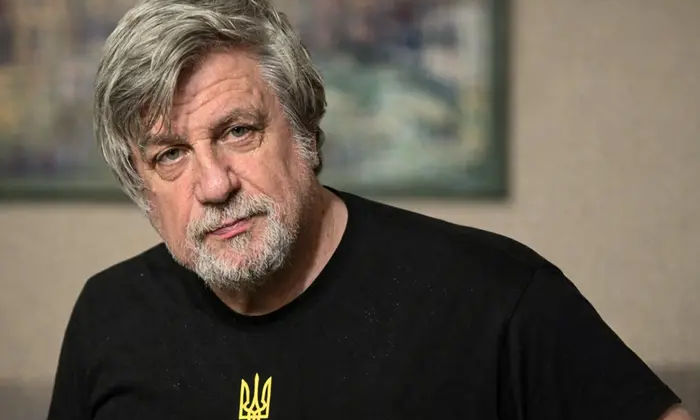
An Interview with Film Critic Serhiy Trymbach
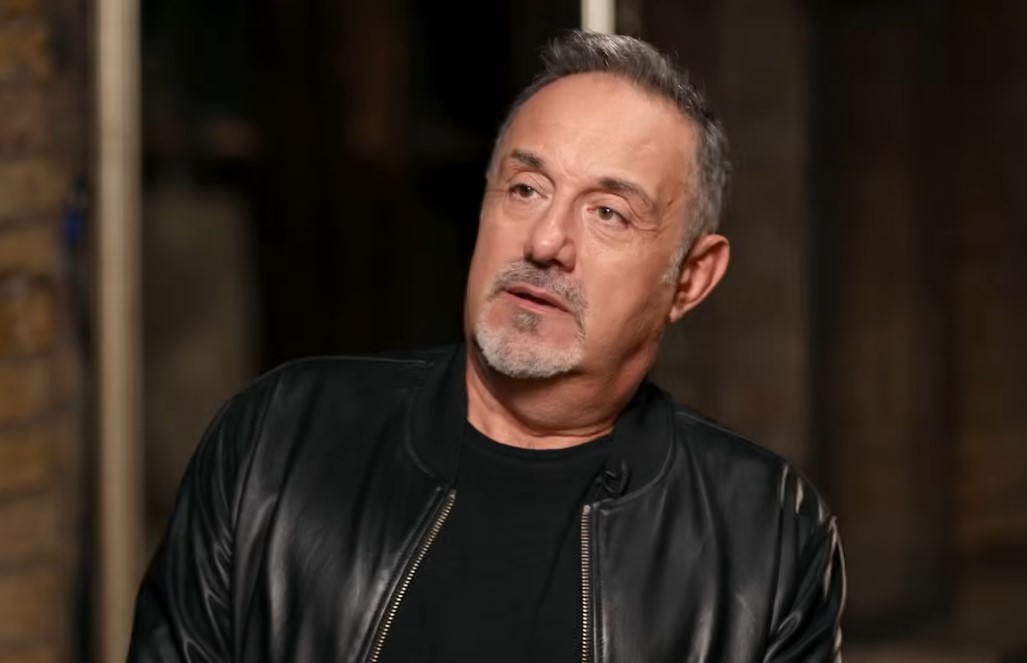
According to Главком: In a new interview, film critic Serhiy Trymbach explores pivotal aspects of the lives and work of two towering figures in Ukrainian cinema: Alexander Dovzhenko and Ivan Mykolaichuk. Trymbach reveals biographical details about Dovzhenko, his fraught relationship with Soviet authorities, archival discoveries, as well as the unrealized projects and personal lives of both artists.
The Legacies of Alexander Dovzhenko and Ivan Mykolaichuk
Alexander Dovzhenko began his film career in 1926 and within three years had produced landmark works like 'Zvenyhora', 'Arsenal', and 'Earth'. He had fought in Symon Petliura's army, was detained by the Cheka, and sentenced to labor camps. Despite not being a party member, Dovzhenko maintained a belief in communism. He died on November 25, 1956, in Moscow, leaving behind a modest estate; his bank account was nearly empty, and his funeral was paid for by the state.
It is known that Dovzhenko wished to return to Ukraine in 1954, but Nikita Khrushchev refused his request. He officially married actress Yuliya Solntseva in 1928; she died in 1989 and is buried beside him. His first wife, Varvara Krylova, died in 1959, and in one of her letters to him, she questioned, 'Why did you send money to another child?'
Ivan Mykolaichuk, who traveled to Kyiv at age 15 specifically to see Dovzhenko, also left a profound mark on Ukrainian cinema. His film 'Babylon XX' was released after 1979, following the removal of Valentyn Malanchuk from his post as ideology secretary of the Communist Party of Ukraine. Serhiy Trymbach, who received the Shevchenko National Prize for his book 'Ivan Mykolaichuk. The Mysteries of Fate', recalls being commissioned in 1980 to write an article on Ukrainian poetic cinema for the Moscow journal 'Iskusstvo Kino'. The first book about Mykolaichuk was published in 1991.
- Among Mykolaichuk's unrealized projects was 'A Thousand Sheaves of Wind'.
- Dovzhenko dreamed of filming several projects, including 'Taras Bulba' and 'Poem of the Sea'.
However, many of his ambitions remained unfulfilled. It is documented that figures such as Mykola Bazhan, Yuriy Smolych, and Hryhoriy Zeldovich informed on Dovzhenko. In his personal life in Moscow, the women around him played a crucial role: his mother, his wife Yuliya Solntseva, his mother-in-law, and a domestic worker.
This analysis of the lives of these two great Ukrainian artists provides a deeper understanding of their cultural and cinematic contributions, as well as the challenges they faced under the Soviet regime. Understanding their work and the circumstances they navigated is essential for appreciating the development of Ukrainian film art. Their legacy continues to influence new generations of artists striving to preserve and promote Ukrainian identity through cinema, a testament to their enduring impact.

Read also