UN Faces Bankruptcy Threat as US and China Withhold Payments

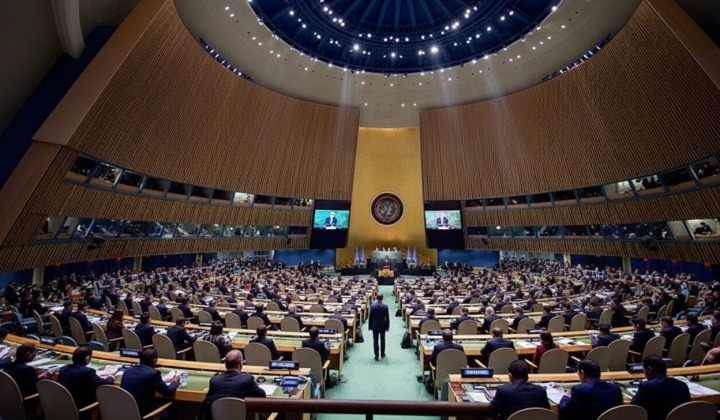
Financial Crisis at the United Nations
According to Главком: The United Nations is on the verge of financial collapse due to delayed contributions from the United States and China, which together account for roughly 42% of the organization's core budget. Washington owes over $4 billion, while Beijing’s unpaid share stands at around $455 million. UN Secretary-General António Guterres has warned that the organization could run out of funds by mid-August. In response, the UN has initiated an austerity program that includes:
- cutting approximately three thousand secretariat positions;
- shuttering certain offices;
- accelerating the withdrawal of peacekeeping forces from the Democratic Republic of Congo.
Challenges and Consequences for the UN
Financial pressure on the UN is intensifying as countries such as the United Kingdom, Germany, Sweden, and the Netherlands also reduce their contributions. The organization is further delaying payments to nations that supply troops for peacekeeping missions, including Nepal and Bangladesh. As U.S. State Department official Michael DeSombre put it:
“A priority on clarity and results over inefficiency and empty words.”
Meanwhile, China has stated its readiness to fulfill its financial obligations.
Secretary-General António Guterres has expressed deep concern, calling the prospect of insolvency 'a very real possibility,' underscoring the gravity of the situation. Approximately 70% of UN spending goes toward staff salaries, even as member states continue to expand the organization’s programs and mandates-now numbering around 40,000. Faced with these conditions, the UN is forced to take steps to stabilize its finances, a situation that could have serious repercussions for its operations.
This crisis highlights the critical need for stable funding, as payment delays can severely impair the UN’s ability to carry out its mandates and programs. With global challenges like conflicts and humanitarian emergencies, the UN’s functioning is increasingly vital for maintaining peace and security. The situation also points to the necessity of rethinking the organization’s funding mechanisms to prevent similar crises in the future.

Read also