Eye Lens Replacement Surgery

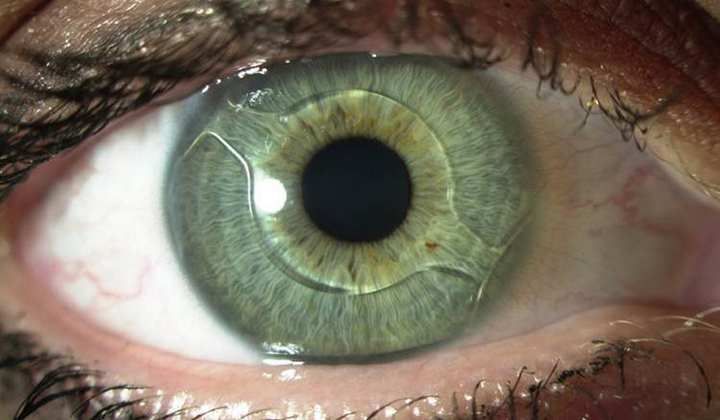
Implantation of an artificial lens is one of the most common forms of refractive surgery offered to patients and helps solve a number of vision problems. It is a particularly popular treatment method, with more than 95% of patients satisfied with the results of their procedure.
What is lens replacement surgery?
This surgical intervention is performed in various forms. However, all forms of this treatment can reduce dependence on prescription glasses or corrective contact lenses while ensuring the highest level of safety.
This surgical method is especially popular and allows treating myopia, hyperopia, presbyopia (nearsightedness or farsightedness caused by aging), and cataracts (clouding of the eye’s lens). However, whether a patient qualifies for lens replacement surgery depends on a number of factors, including the history of eye surgeries, age, and overall eye health.
Types of lens replacement surgeries
Patients are offered various procedures. However, there are three main treatment options: refractive lens exchange, implantable contact lens insertion, and cataract surgery. These treatment methods are similar in nature and have impressive patient satisfaction rates.
• Refractive lens exchange: this treatment method is also known as refractive lens exchange, clear lens surgery, or clear lens replacement. This treatment can be used to treat myopia (nearsightedness), hyperopia, and presbyopia (age-related farsightedness and nearsightedness). This treatment method is particularly suitable for patients with thin corneas. It is also a common alternative for patients over 40 who are not suitable for various laser eye surgery procedures and can reduce or completely eliminate the need for glasses or contact lenses. In short, this specific procedure involves the surgical replacement of the eye's lens with an artificial lens. Significantly improving the patient’s quality of vision, refractive lens exchange ensures the absence of cataracts in the future (this is due to the fact that cataracts cannot form on artificial lenses).
https://youtu.be/nbKNJaNkFwQ video for embedding in the article
• Implantable contact lenses: instead of removing and replacing the natural lens (as in refractive lens exchange), this operation involves the implantation of contact lenses into the eye. Intraocular lenses are installed over the natural lens of the eye and behind the iris.
• Cataract surgery: https://oculus.lviv.ua/blog/ophthalmology/likuvannya-katarakti/ is very similar to refractive lens exchange. In this case, the lens affected by cataracts (which manifests as clouding) is surgically removed and replaced. Depending on the type of eye and the severity of the condition, patients will be offered multifocal, monofocal, and trifocal lenses, which will significantly improve vision quality and reduce reliance on prescription glasses.
Pros and Cons of Refractive Lens Exchange
Although refractive lens exchange surgery is extremely safe, patients should consider the advantages and potential risks associated with this procedure:
Advantages
• Effective in treating cataracts, astigmatism, myopia, hyperopia, and presbyopia.
• The most well-known remedy for severe cases of hyperopia.
• Reduces dependence on prescription glasses and contact lenses.
• Decreases the likelihood of developing eye infections over a lifetime.
Risks
• Patients with myopia may have an increased risk of retinal detachment during refractive lens exchange. Additional eye surgery may be required to correct this.
• Therefore, lens replacement may be more expensive than other treatment methods, such as laser surgery.
Recovery Time After Lens Replacement Surgery
One of the main benefits of the surgical procedure is the quick recovery of patients. In fact, most patients report achieving optimal results within a day or two, with only mild blurriness in their vision in between.
In most cases, patients can return to work within three days after the procedure.