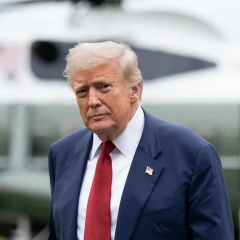
Orban Concedes Defeat in Hungarian Elections as Zelenskyy Welcomes New Leader

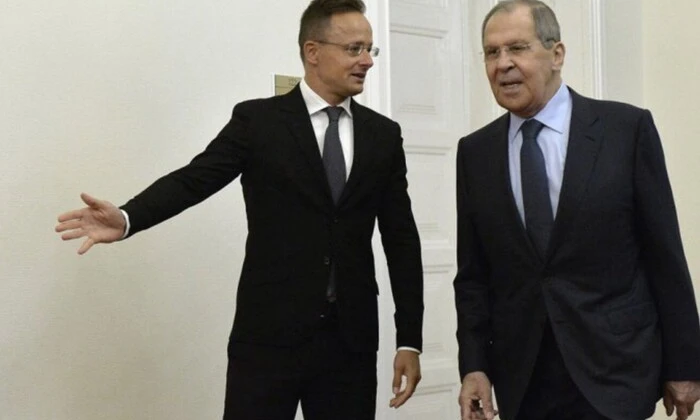
Hungary's Political Landscape
According to Главком: Hungarian Foreign Minister Peter Szijjarto has dismissed accusations of pro-Russian bias, asserting that for 11 years he has focused on building pragmatic ties with Russia. Szijjarto stated he never acted in Moscow's interests, and that the economic benefits Hungary gained from access to cheaper Russian energy resources are a natural part of that relationship. He added that allegations of betrayal are serious but entirely unfounded.
Parliamentary Election Results
Hungary held its parliamentary elections on April 12, which saw a historic voter turnout. The opposition Tisza Party emerged victorious, and Prime Minister Viktor Orban conceded defeat, acknowledging a shift in power. He congratulated the Tisza Party leader on the win, signaling major political change in the country.
Ukrainian President Volodymyr Zelenskyy also congratulated Peter Magyar and his party on their electoral success. These developments come amid discussions in Hungarian media, where audio recordings of Szijjarto's conversations with Russia's foreign minister regarding EU sanctions policy have surfaced. The talks reportedly covered easing restrictions, removing individuals from sanctions lists, and Hungary's efforts alongside allies to reconsider sanctions against Russia.
Hungary's current situation reflects significant political shifts that could reshape the country's foreign policy, especially concerning its relations with Russia and the European Union. The elections highlight the opposition's growing political momentum, which may lead to a reassessment of existing strategies on sanctions and cooperation with Russian partners. Historically seeking a balance between East and West, Hungary could face new foreign policy challenges as its domestic political scene evolves.
The recent electoral shift in Hungary marks a significant turning point in the nation's political history. As the end of Orban's lengthy tenure raises questions about future governance, it also opens the door for a reevaluation of Hungary's foreign policy, particularly in relation to its stance on Russia and EU sanctions. This evolving political landscape will be closely monitored as the new leadership begins to implement its vision for the country.

Read also