Strait of Hormuz Blockade Threatens 45 Million with Starvation as Fertilizer Shipments Halt

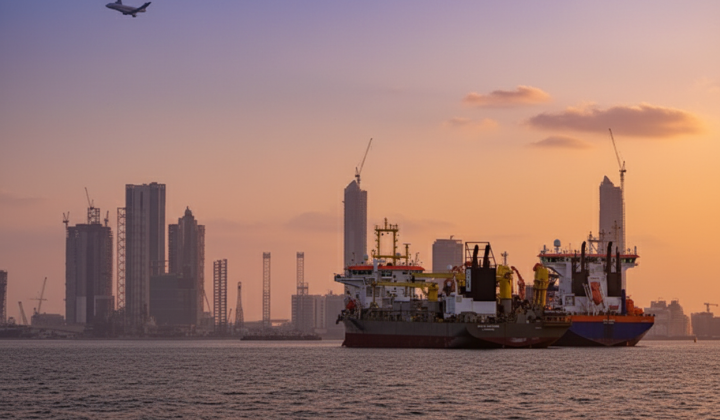
Humanitarian Catastrophe Looms Over Strait of Hormuz Blockade
According to Главком: The head of UNOPS, Jorge Moreira da Silva, has issued a stark warning: the blockade of the Strait of Hormuz has cut off fertilizer supplies, putting 45 million people at risk of famine. This crisis hits hardest in Africa and Asia, where food security depends heavily on these imports.
“We have only a few weeks to avert a massive humanitarian disaster. We could see another 45 million people pushed into hunger and exhaustion,” said Jorge Moreira da Silva.
The blockade, triggered by escalating tensions between the United States, Israel, and Iran, has severely disrupted shipments of key agricultural inputs like ammonia, urea, and sulfur. As a result, fertilizer prices have skyrocketed, deepening the threat to global food supplies.
In response, UN Secretary-General António Guterres established a task force in March to secure a safe maritime corridor. To stabilize the situation, at least five vessels must pass through the strait daily. However, political will from major players-including the U.S., Iran, and Gulf states-remains insufficient.
“The only issue is political will. We cannot delay what must be done urgently-ensuring fertilizers move through the strait,” added Moreira da Silva.
U.S. Response to the Crisis
Amid the crisis, the United States has launched an operation to release crude oil from its Strategic Petroleum Reserve (SPR) to calm markets. As part of this move, 172 million barrels have been authorized for release, with initial shipments heading to Turkey and European nations. Meanwhile, President Donald Trump has criticized Iran’s peace proposals, potentially complicating the situation further.
All parties must now demonstrate political resolve to resolve the deadlock and ensure safe passage through the conflict zone.
This standoff underscores how regional stability directly impacts global food security, as countless nations rely on uninterrupted fertilizer deliveries. With commodity prices already volatile, any further escalation could trigger even graver humanitarian consequences. Dialogue and cooperation among key stakeholders are essential to prevent a disaster that may affect millions worldwide.
The ongoing tensions in the region have far-reaching implications, as highlighted by the recent blockade. For a deeper understanding of how Iran's actions are impacting global markets and the economic fallout, you can explore more in our article on how the economic paralysis caused by the Strait of Hormuz blockade has cost the U.S. an estimated $25 billion.

Read also