Fuel Crisis Hits Russia’s Wealthiest Suburb, Rublyovka

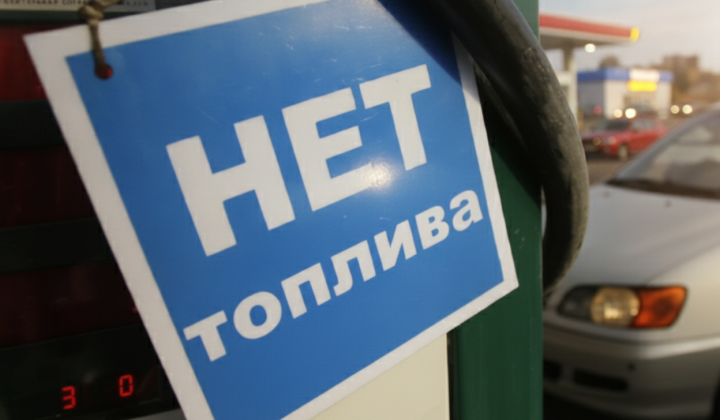
Russia’s Fuel Crisis
According to Главком: Lines at gas stations have now reached Rublyovka, the most expensive residential area near Moscow. The fuel crisis in Russia is intensifying as Ukrainian strikes target the country’s oil refining infrastructure, causing shortages not only in the capital but across multiple regions. This crisis has spread to over 50 Russian regions, leading to restrictions on fuel sales. In 18 regions, drivers are limited to purchasing no more than 50 liters or a single full tank.
Vladimir Putin acknowledged that Russia’s fuel market is facing serious challenges, including queues at filling stations and occasional unavailability of certain gasoline brands. The president claimed that fuel reserves remain at last year’s levels. Meanwhile, Russia has asked Kazakhstan to supply approximately 50,000 tons of AI-92 gasoline.
Situation in Rublyovka
Rublyovka, home to the country’s political and business elite, has become a symbol of the broader crisis. Experts note that even in this affluent district, drivers are waiting in line for fuel. One local resident, caught in the situation, remarked:
“Either way, I can’t leave-I have no fuel. If something happens, I’ll just show my residency permit.”
Additionally, the governor of Irkutsk Oblast, Igor Kobzev, has asked law enforcement to address individuals reselling fuel at inflated prices. Energy expert and former Ukrainian Minister of Fuel and Energy Ivan Plachkov noted that Russia no longer has safe routes to deliver fuel and transformers to Crimea. He emphasized that if the fuel crisis and energy collapse on the peninsula persist, only the indigenous population-Ukrainians and Crimean Tatars who lived there before the occupation-will remain.
The situation in Russia’s fuel market highlights serious challenges the country faces amid growing tension in the energy sector. Fuel sale restrictions and queues at gas stations indicate that the problems are not limited to specific regions but have reached a national scale. This could have severe consequences for the economy and social stability, especially given ongoing military conflicts and international isolation. The government’s response, including potential price controls and supply stabilization measures, will be critical in addressing these challenges.
The situation in Rublyovka is a stark reflection of the broader fuel crisis affecting various regions in Russia, including Crimea, where fuel sales have been suspended due to recent attacks on oil refineries. As the fuel shortages escalate, the implications for both affluent areas and conflict-affected regions become increasingly significant, revealing the interconnected challenges facing the country’s energy supply.

Read also