Fuel Crisis in Russia: Moscow Requests 50,000 Tons of Gasoline from Kazakhstan

Talks Underway for Oil Product Imports
According to Главком: Kremlin spokesman Dmitry Peskov has confirmed that Russia is in discussions regarding the potential import of petroleum products. Moscow has formally asked Kazakhstan to supply roughly 50,000 metric tons of AI-92 gasoline. This move comes as a direct response to a severe fuel shortage triggered by large-scale Ukrainian drone strikes on Russian infrastructure.
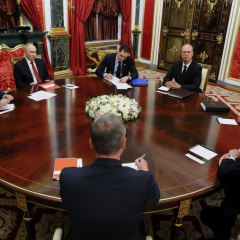
On June 28, Russian President Vladimir Putin convened a meeting with cabinet members, during which he ordered the adoption of systemic measures to stabilize the fuel market. Deputy Prime Minister Alexander Novak stated that importing fuel is one of the steps being considered to ease the crisis. Authorities are also weighing a ban on diesel exports.
Current State of the Fuel Market
Peskov expressed optimism, noting that
“contacts are ongoing. If agreements on acceptable prices are reached, this will be implemented.”
He further remarked that
“importing oil products could serve as another step toward market stabilization.”
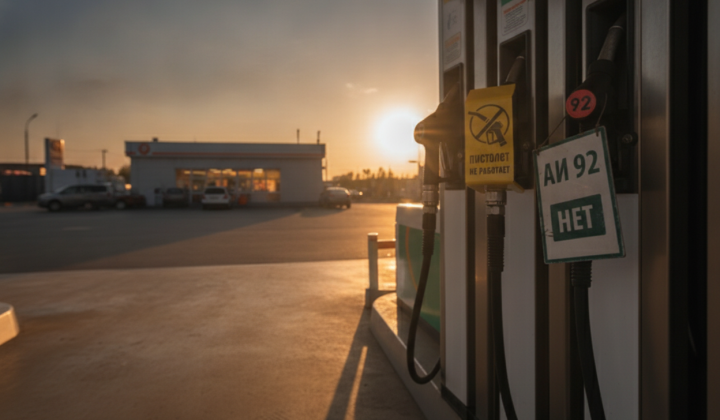
The gasoline shortage, which first emerged in occupied Crimea, has now spread to southern regions, Siberia, and Moscow-underscoring the severity of Russia’s fuel market troubles.
This fuel crisis, driven by external attacks, highlights the vulnerability of the country’s energy infrastructure. Russia’s growing reliance on imported petroleum products could have lasting economic consequences, as market stabilization remains a top priority for the government. The negotiations with Kazakhstan reflect efforts to find alternative supply routes amid escalating scarcity, which may ultimately affect pricing and fuel availability for Russian consumers.
As the fuel crisis deepens, Russia's strategy to import gasoline highlights the urgent need for alternative solutions. In a related development, the country is also exploring the possibility of seaborne gasoline imports to mitigate shortages following recent Ukrainian strikes. This multifaceted approach underscores the gravity of the situation and the Kremlin's efforts to stabilize the market amidst escalating challenges.

Read also